



In today’s competitive market, businesses face the challenge of handling increasing call volumes while maintaining excellent customer service. A well-designed IVR system can manage these challenges effectively. It directs calls well, cuts down wait times, and automates simple tasks. This helps customers reach the right agent or department quickly.
By connecting an IVR system with tools like CRM software and cloud calling, companies can simplify operations. This helps them respond faster and improve customer satisfaction. Choosing the right system is essential to optimize workflow and support business growth.
The Importance of an IVR System in Modern Businesses
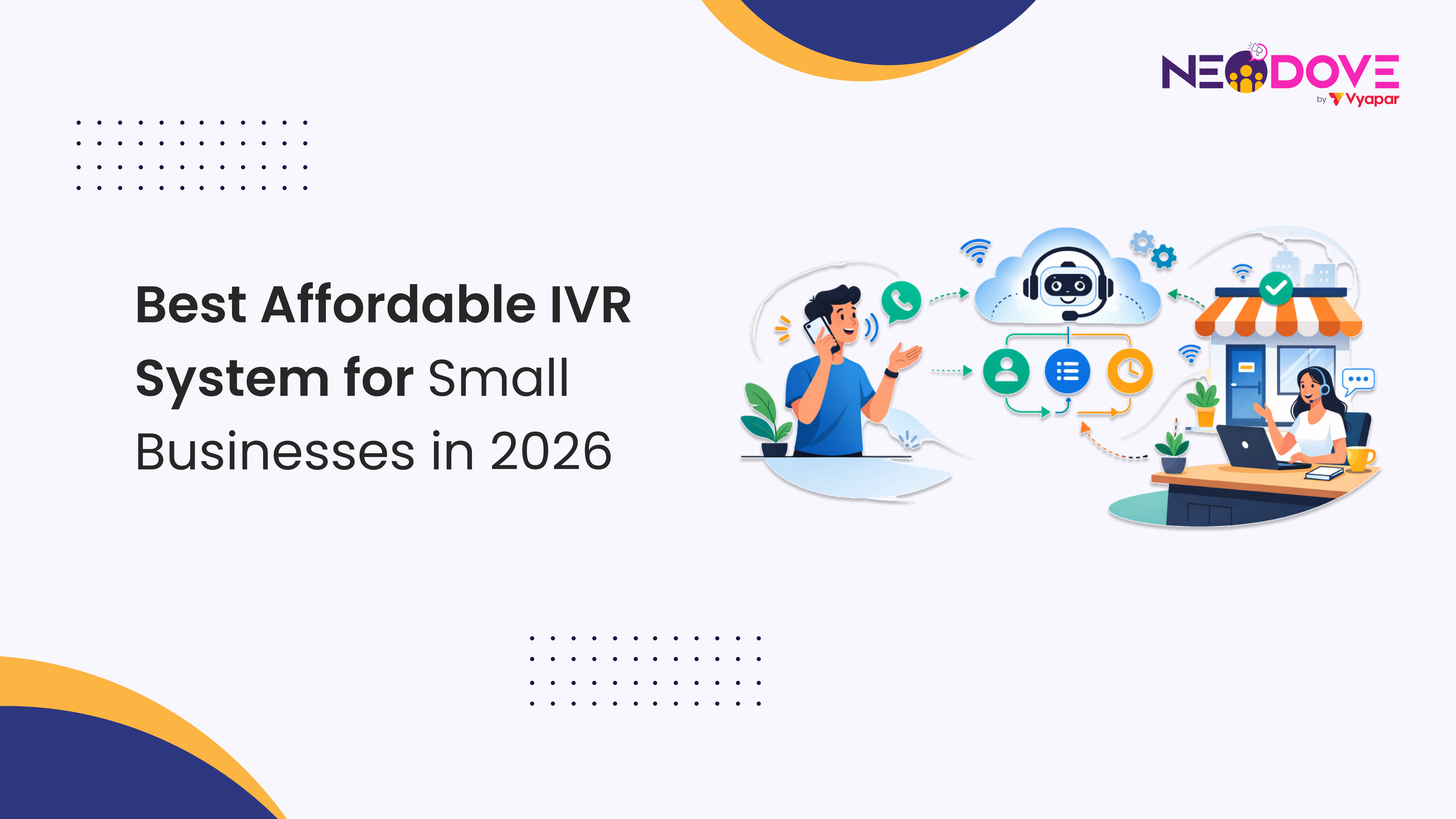
An IVR system acts as the first touchpoint between a business and its customers. It enables organizations to manage large call volumes without increasing staff and ensures that they handle calls efficiently. With features like call routing, appointment automation, and call tracking, businesses can provide faster responses and more personalized support.
Modern IVR systems use AI to help answer common questions. This reduces the workload for human agents. Also, using call management app helps businesses keep detailed call logs and performance data. This makes operations more focused on data and customers.
How to Select the Right IVR System to Improve Customer Service and Efficiency
Selecting the ideal IVR system requires careful analysis of your business needs and the system’s capabilities. Here are the crucial factors to consider:
1. Assess Call Volumes and Traffic Patterns
Understanding your call volumes is the first step. Determine the number of calls received daily, peak hours, and seasonal fluctuations. This ensures that the IVR system you choose can handle high traffic efficiently. Systems that track calls let you see important data like abandoned calls and average wait times. This helps you make better decisions.
2. Evaluate Call Routing Capabilities
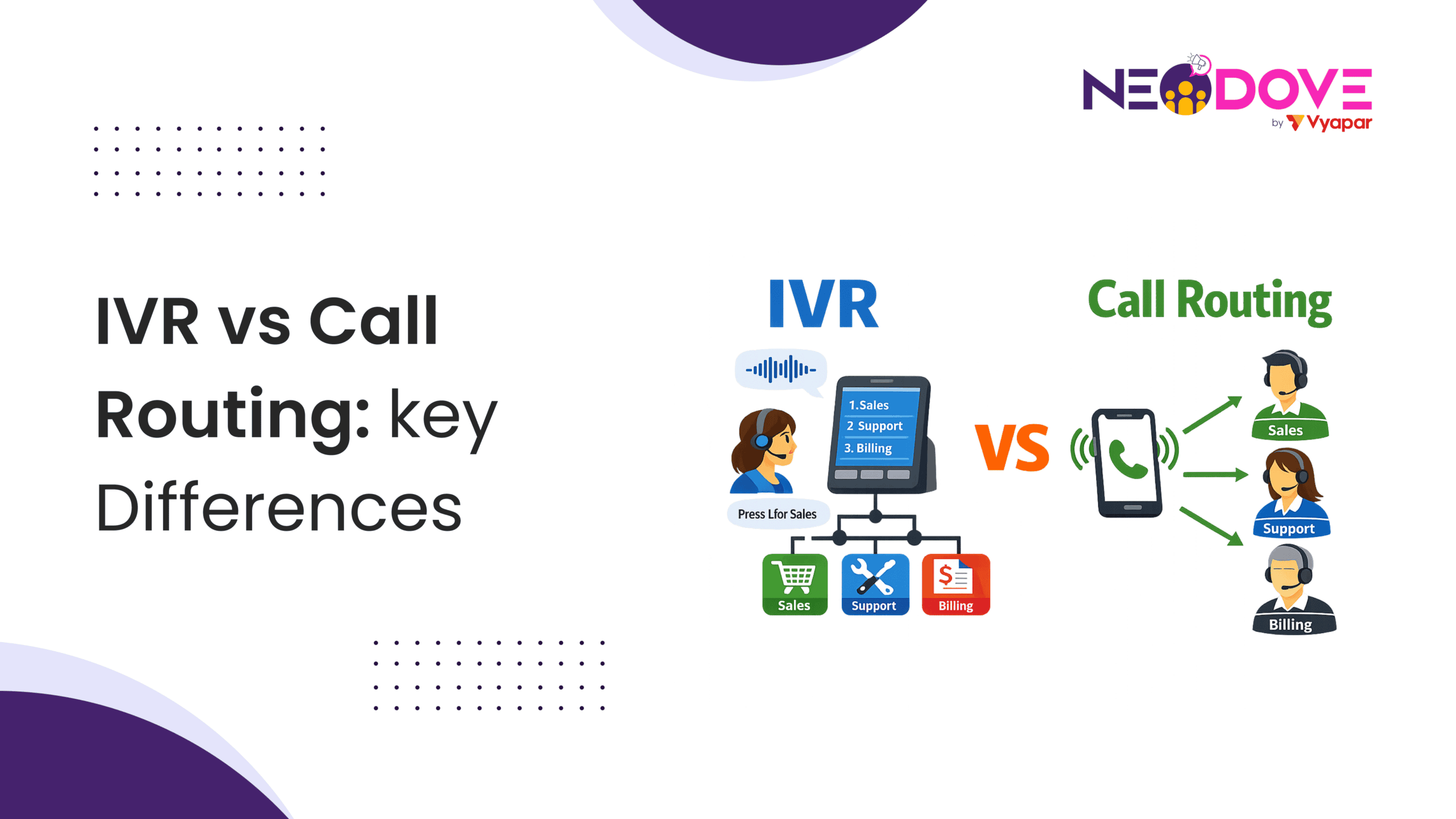
Efficient call routing ensures customers are connected to the right department or agent. Look for systems that support skill-based, priority-based, or department-specific routing. Proper routing reduces wait times, prevents call drops, and enhances overall customer service. Integration with CRM software can further personalize interactions by providing agents with complete customer history.
3. Consider Appointment Scheduling Features
Businesses that rely on appointments should choose an IVR system that can schedule appointments or arrange callbacks automatically. This process ensures that we do not miss any follow-up call, reduces manual effort, and improves customer satisfaction. Such features are especially useful for healthcare, education, real estate, and service-based businesses.
4. Track and Measure Performance
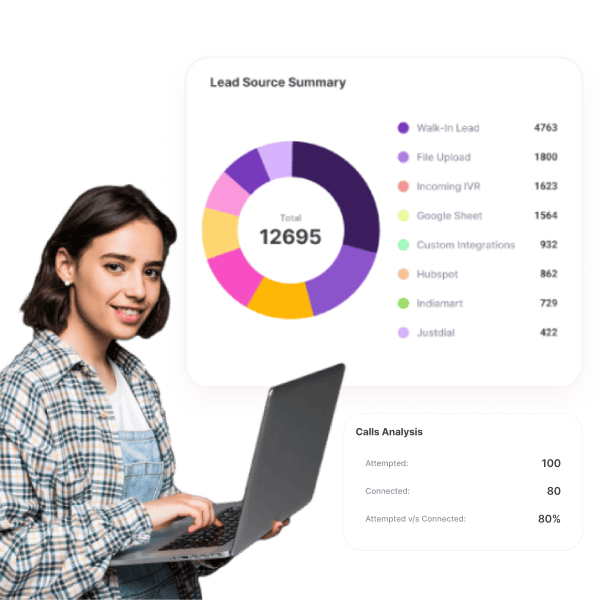
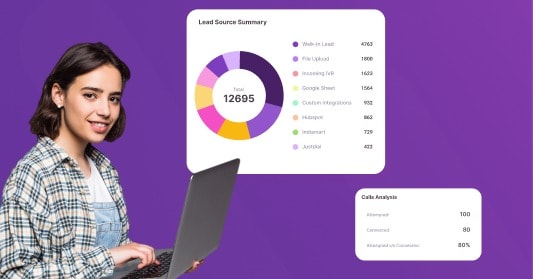
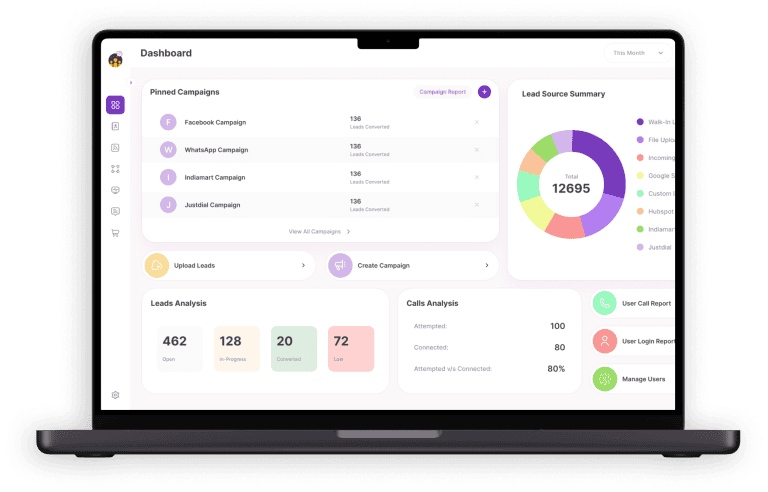
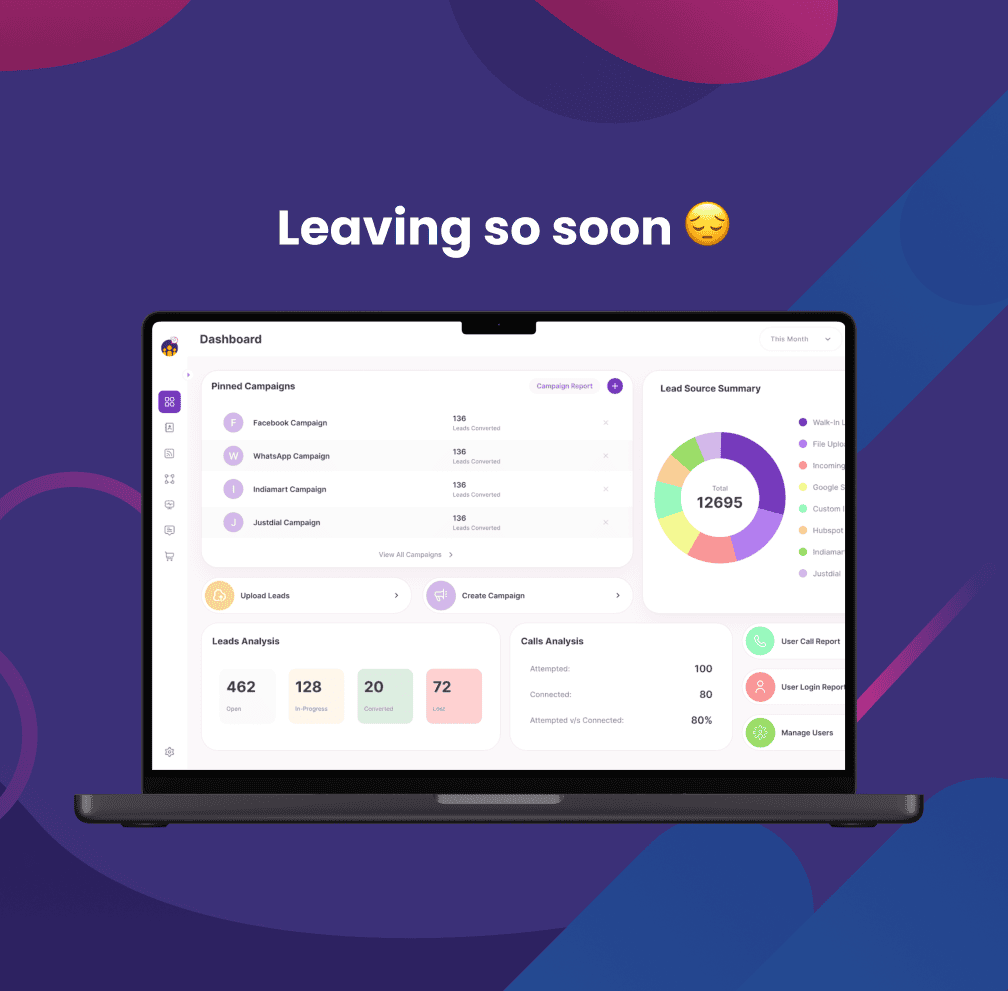
A high-quality IVR system should provide robust tracking and reporting features. Dashboards can display essential call metrics like average handling time, average call time, peak call periods, and agent performance. Insights from these metrics help refine call flows and improve operational efficiency. Call management apps integrated with systems ensure that every interaction logs and remains easily accessible.
5. Leverage Automation and AI Support
Modern IVR systems often include automation and support AI to manage routine inquiries and repetitive tasks. AI-enabled IVRs can recognize voice commands, answer FAQs, and escalate complex queries to agents. This not only reduces workload but also ensures faster responses, enhancing the overall customer service experience.
6. Check for Integration With Other Tools
The IVR system should integrate seamlessly with CRM software, cloud calling software, and call management apps. Integration allows automatic call logging, access to detailed customer data, and smoother workflows for sales, support, and marketing teams. This ensures your business can track interactions comprehensively and respond effectively to every customer query.
7. Ensure Ease of Use
Even a feature-rich IVR system is ineffective if it’s difficult to operate. Look for systems with intuitive dashboards, simple menu editing, and drag-and-drop call flow builders. A user-friendly interface ensures faster adoption and minimal training for your team.
8. Opt for Cloud-Based Solutions
Cloud-based IVR systems provide flexibility, scalability, and easy maintenance. They allow remote access, real-time updates, and can handle large call volumes without downtime. Businesses with multiple locations or remote teams particularly benefit from cloud IVR solutions.
Actionable Tips to Select the Right IVR System
Map your customer journey and identify key communication challenges.
- List the essential features your business requires, including call routing and appointment automation.
- Request demos from multiple IVR providers to compare functionalities.
- Test the system for tracking, automation, and AI capabilities.
- Ensure the system integrates seamlessly with CRM software and cloud calling software.
- Check provider support for onboarding, training, and troubleshooting.
- Following these steps ensures that your IVR system improves efficiency, enhances customer service, and supports long-term growth.
Conclusion
Choosing the right IVR system is important for businesses. It helps improve efficiency, lower manual work, and boost customer experience. By focusing on call routing, appointment scheduling, tracking, automation, and AI support, companies can improve their operations. Integrating with CRM and cloud calling software helps maximize productivity. A well-implemented IVR system is not just a communication tool—it becomes a strategic partner in business growth.
FAQs
1. What factors should I consider when choosing the best IVR system?
You should evaluate call volumes, call routing options, appointment scheduling features, integration with CRM software and cloud calling software, ease of use, and support for automation and AI.
2. How can an IVR system improve customer service?
An IVR system ensures customers reach the right agent quickly, provides call tracking insights, handles routine queries with support AI, and reduces wait times, enhancing overall customer service.
3. What features make an IVR system ideal for business growth?
Look for features like flexible call routing, automated schedules appointments, call tracking, support AI, integration with CRM software and cloud calling software, and detailed call metrics to help improve efficiency and customer satisfaction.
4. How do I know which IVR system fits my business needs?
Assess your daily call volumes, type of customer queries, team size, and integration requirements. Choosing a system that matches your workflow, supports automation, and provides actionable insights ensures it aligns with your growth goals.
5. How do I measure the effectiveness of my IVR system?
Track key call metrics, monitor agent performance, analyze abandoned call rates, and use insights from call tracking dashboards to optimize workflows and improve business growth.