


In today’s competitive business world, delivering fast and efficient customer support is essential. Call routing is an important part of a call management system. It ensures that incoming calls reach the right agent or department quickly. Efficient call routing lowers wait times, improves first-call resolution, and boosts customer satisfaction. In this guide, we’ll explore what call routing is, its types, key benefits, and best practices to help businesses manage inbound calls effectively—whether in a call center or a modern contact center.
What is Call Routing?
Call routing is the way we send incoming calls to the best agent, team, or department. This is done using set rules. It ensures that every caller reaches the right person, reducing frustration and improving service efficiency.
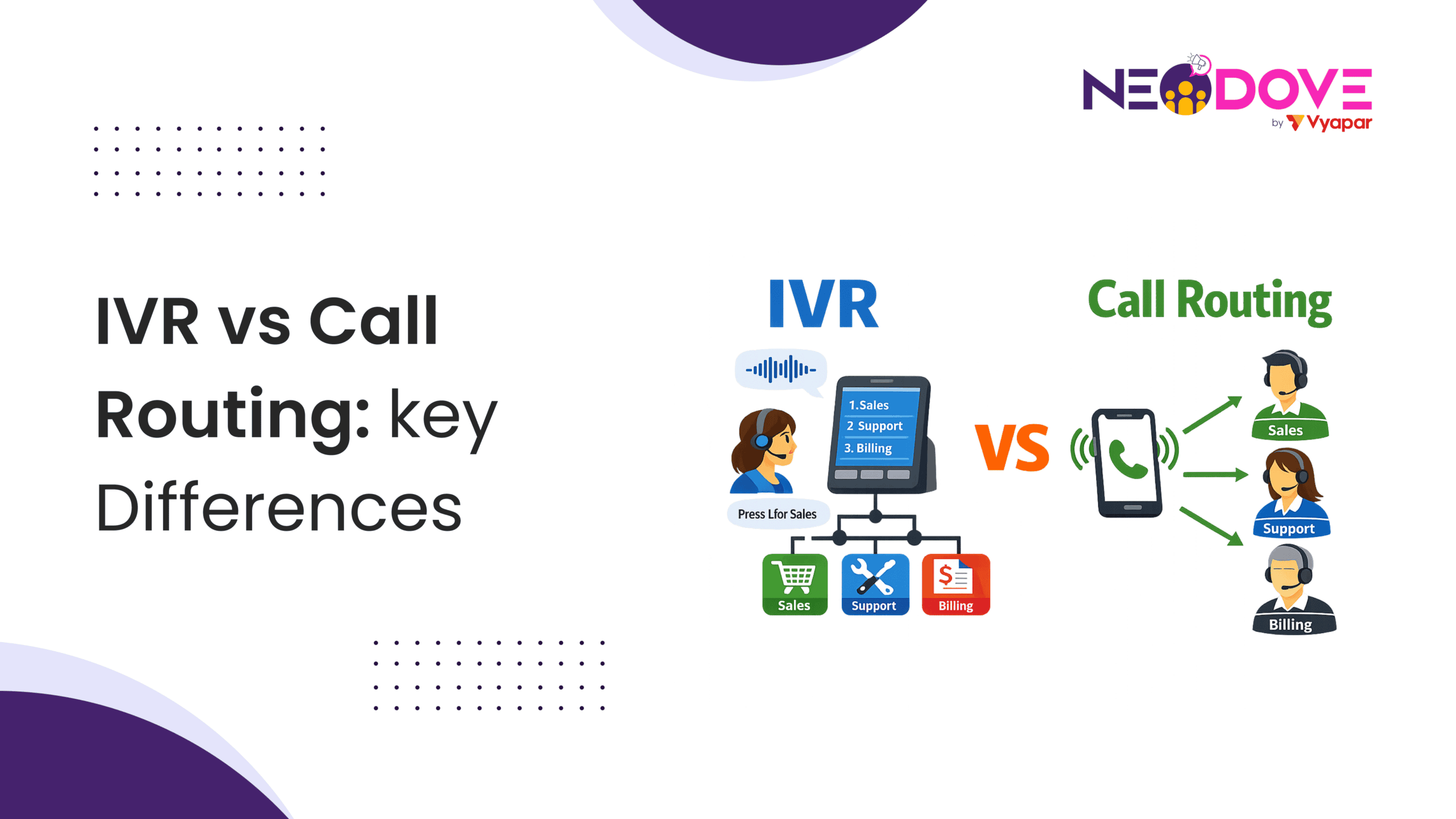
A modern call management system uses a tool to handle calls automatically. Two key tools are Interactive Voice Response (IVR) and Automatic Call Distribution (ACD). These tools help route calls efficiently. By analyzing caller input, account information, or priority, the system can decide the best destination for the call.
How Call Routing Works?
- Call Qualifying: An IVR system may prompt callers to select options (e.g., “Press 1 for Sales, Press 2 for Support”).
- Call Queueing: Calls enter a queue, waiting for the appropriate agent to become available.
- Call Distribution: The system routes calls based on rules such as agent skills, availability, or call priority.
This process helps us handle customer questions quickly and efficiently. This is important for keeping high service standards in call centers and contact centers.
Different Types of Call Routing
Businesses can choose from several types of call routing strategies depending on their needs:
1. Time-Based Routing
Directs calls based on the time of day or week. For example, calls during business hours go to the main support team, while after-hours calls reach voicemail or an on-call agent. Adding seasonal schedules or peak-time adjustments can further optimize call handling.
2. Geographical Routing
Routes calls based on the caller’s location. This ensures customers are connected to the nearest or most relevant branch or team. Combining this with priority rules ensures VIP clients get fast attention.
3. Round-Robin Routing
Distributes calls evenly among available agents to maintain a balanced workload and prevent overloading any single agent. Hybrid strategies can combine this with skill-based routing for more efficient coverage.
4. Skill-Based Routing
Directs calls to agents with the specific skills required to handle the issue. Technical questions go to IT experts, while billing queries go to finance. Skill-based routing resolves queries faster, enhancing satisfaction.
5. Percentage-Based Routing
Allocates a portion of calls to specific teams or agents. This is useful for testing new agents, managing call overflow, or piloting new service strategies. Integrating an automated dialer can help route outbound follow-ups efficiently alongside inbound queries.
6. Least Occupied Routing
Routes calls to the agent who has been idle the longest, ensuring fair distribution and reducing agent fatigue. This also helps optimize agent productivity and service speed.
7. Priority Routing
High-priority calls, such as VIP customers or urgent issues, are routed immediately to the most qualified agent. Combining priority routing with skill-based routing ensures critical issues are resolved promptly.
Many businesses now use hybrid methods. They combine different routing types to improve efficiency and customer satisfaction in call centers and contact centers.
Top 9 Benefits of Call Routing
Implementing call routing via a call management system provides several advantages:
- Reduced Wait Times: Calls reach the right agent faster, minimizing hold times.
- Higher First-Call Resolution: Accurate routing increases the chances of resolving issues on the first call.
- Improved Agent Productivity: Agents handle calls suited to their expertise, optimizing workflow.
- Enhanced Customer Experience: Customers enjoy personalized service with faster resolution.
- Better Reporting and Analytics: Call routing tracks important metrics like call volume, wait times, and resolution rates. This helps call center managers improve operations.
- Support for Hybrid Working Trends: Cloud-based routing allows agents to work from anywhere without compromising efficiency.
- Cost Efficiency: Reduces unnecessary transfers and agent downtime, lowering operational costs.
- Scalability: Easily adjusts as teams grow or call volumes change.
- Integration with Automated Dialers and Cloud Systems: Modern routing works with auto dialer software, automated dialers, and cloud platforms for seamless operations.
These benefits make call routing an important investment. It helps improve customer service and efficiency in modern contact centers.
Ultimate 7 Best Practices for Implementing Call Routing
To get the most out of your call routing system:
- Set Clear Routing Rules: Define criteria based on agent skills, call priority, and business hours.
- Integrate with CRM Systems: Combining routing with CRM platforms gives agents access to customer information for personalized service.
- Monitor and Optimize:Track metrics like average wait time, call abandonment, and resolution rates to improve performance. Call center managers can use this data to fine-tune operations.
- Train Agents: Ensure staff know how to handle routed calls effectively and use CRM and call management tools.
- Leverage Automation Tools: Use IVR systems, automated routing, and cloud-based system for faster, more accurate call handling.
- Use Cloud-Based Systems: Cloud routing provides flexibility, scalability, and remote accessibility, supporting hybrid teams.
- Regularly Review Routing Strategies: Adjust rules based on seasonal trends, call volumes, and agent performance to maintain efficiency.
Following these practices ensures your routing strategy aligns with both business objectives and customer expectations.
Real-Life Example: Improving Customer Satisfaction with Call Routing
A SaaS company implemented skill-based call routing to manage its customer support. Technical queries went to IT specialists, while general inquiries were routed to customer service reps.
Results:
- 30% reduction in average wait time
- 25% increase in first-call resolution
- Improved customer satisfaction and customer loyalty
The company also combined priority routing for premium clients with skill-based routing for technical issues. This hybrid strategy further reduced wait times and allowed the company to scale support during peak periods without adding staff. Customer feedback improved significantly, demonstrating the effectiveness of a tailored routing approach in a modern contact center environment.
Conclusion: Optimize Your Customer Service with Call Routing
Efficient call routing is essential for businesses looking to streamline operations and improve customer satisfaction. Understanding the types, benefits, and best practices allows companies to design a system tailored to their needs.
Investing in a robust call management system with advanced routing features ensures that every customer interaction is handled effectively. Call center managers can leverage these tools to optimize team performance and enhance service quality. Explore our [call management solutions] to learn how smart routing can transform your customer service operations.
FAQs
1. What is the difference between call routing and call forwarding?
Call routing is a process used by call management systems. It directs incoming calls to the right agent or department. This is done based on rules, skills, or priorities that are set in advance. In contrast, call forwarding simply redirects a call to another number without considering the caller’s needs or agent availability. Routing ensures a more efficient and personalized experience, saving time for both customers and agents.
2. Can call routing integrate with CRM systems?
Yes, call routing can be fully integrated with CRM platforms. This allows agents to access customer information, interaction history, and preferences before answering a call. Integration improves first-call resolution, enhances personalized service, and provides call center managers with metrics to track performance and key performance indicators (KPIs) effectively.
3. How do I choose the best call routing strategy for my business?
To choose the best strategy, evaluate call volume, agent skills, business hours, and the type of customer queries. Hybrid approaches, such as combining skill-based, time-based, and priority routing, often provide the most efficient handling. Reviewing call metrics regularly helps optimize the system and ensures that inbound calls are always managed efficiently, especially in busy contact centers.
4. Is call routing suitable for small businesses?
Absolutely. Even small businesses can use call routing. It helps customers reach the right agent without extra transfers. Using a cloud-based call management system helps small teams provide professional service. It also saves time and lowers costs.
5. How often should I update call routing rules?
Routing rules should be checked and updated often. This helps adapt to changes in call volume, team structure, and business needs. Managers should monitor metrics like average wait times, call abandonment, and first-call resolution. This data helps them adjust routing for better efficiency, customer satisfaction, and agent resource use.