



Sales is the heart of every business, connecting potential customers with solutions that meet their needs. It drives revenue, builds trust, and establishes long-term relationships.
Effective sales strategies influence growth, market reach, and customer satisfaction. With the right approach and tools, businesses can turn prospects into loyal clients. This blog explores what sales is, its types, the sales funnel, must-have tools, and how it powers business growth.
What is Sales?
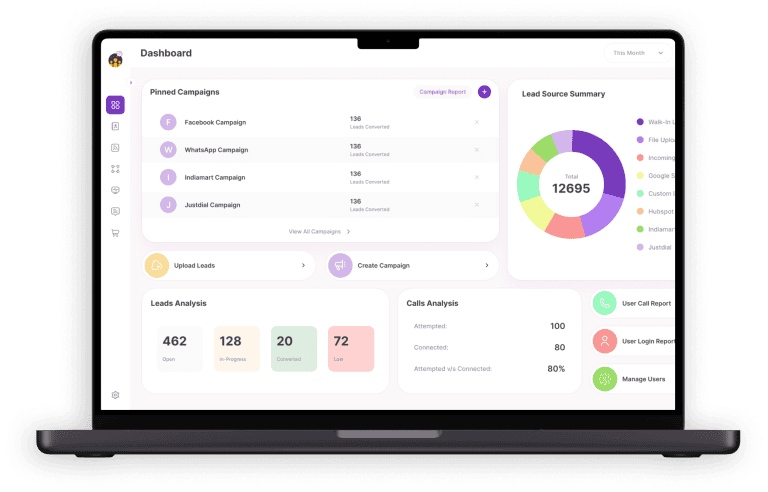
Sales is more than exchanging products for money—it’s the process of connecting sellers with buyers by understanding their needs and offering valuable solutions. Whether B2B or B2C, the goal is the same: generate revenue and build trust. Modern sales rely on CRM software, automation tools, and reporting dashboards to qualify leads, streamline tasks, and ensure timely follow-ups.
Importance of Sales in Business
The role of sales extends far beyond generating immediate income. Strong sales processes influence almost every aspect of a business. First, they directly impact customer acquisition, allowing businesses to reach new markets and expand their presence. Sales also provide actionable insights into customer behavior, which informs product development and market strategies.
By tracking sales metrics and performance, businesses can measure what works and refine their approach. Consistent sales efforts lead to long-term success, building relationships that encourage repeat purchases and referrals. Using a CRM system helps teams keep organized records. It allows them to track the sales funnel and find growth opportunities. This way, staff are not overwhelmed with repetitive tasks.
Top 10 Sales Strategies Every Business Should Know
Sales strategies vary by audience, product, and delivery. Using the right approach for each customer segment improves efficiency and results.
1. B2B Sales (Business-to-Business Sales)
Focuses on selling to other businesses with longer cycles, larger contracts, and multiple decision-makers. Success relies on relationship building, consultative selling, and measurable ROI.
2. B2C Sales (Business-to-Consumer Sales)
Targets individual consumers directly, emphasizing fast, emotionally-driven transactions and excellent customer experience in retail, e-commerce, and subscriptions.
3. Inside Sales
Conducted remotely via calls, emails, video demos, and digital tools. CRM systems and sales automation software help manage leads and prioritize outreach efficiently.
4. Outside Sales (Field Sales)
Face-to-face interactions that build trust and personalized relationships, common in real estate, automobiles, and enterprise solutions.
5. Consultative Sales
Focuses on understanding customer needs and offering tailored solutions. The salesperson acts as a trusted advisor for long-term partnerships.
6. Transactional Sales
Quick, one-time purchases with minimal interaction. Ideal for low-cost, high-volume products like retail or e-commerce items.
7. Solution Sales
Solves specific client problems by combining products or services into comprehensive offerings, common in IT, SaaS, and enterprise solutions.
8. Enterprise Sales
Large-scale, high-value deals involving multiple stakeholders and long cycles. Requires strategic planning, collaboration, and relationship management.
9. Channel Sales
Uses distributors, resellers, or partners to expand reach and access new markets while maintaining brand alignment and revenue sharing.
10.Field Sales
Direct, in-person engagement that strengthens relationships and provides customized service, vital in industries needing personal trust and demonstrations.
Understanding the Sales Funnel
The sales funnel is a visual representation of the buyer’s journey, highlighting stages from awareness to purchase and retention.
- Awareness: At this stage, prospects discover your brand through ads, campaigns, or word-of-mouth. The goal is to grab attention and create curiosity.
- Interest: Leads begin exploring your offerings and comparing options. Engaging content and follow-ups help maintain their interest.
- Consideration: Prospects request demos or trials to evaluate solutions. This is where showcasing value and building trust matter most.
- Decision: Leads convert into paying customers. Simplified buying experiences and clear communication drive conversions.
- Retention: Focus shifts to post-sale engagement and customer loyalty. Satisfied customers bring repeat sales and referrals.
Using sales CRM software allows businesses to monitor where each generated lead is in the funnel, automate follow-ups, and ensure no opportunity is missed. It also provides insights into customer behavior, enabling teams to adjust market strategies and sales objectives effectively.
Sales Business Must-Have Tool
Every modern sales team needs tools to work efficiently and maintain a competitive advantage.
Customer Relationship Management (CRM) Systems
Features:
- Organizes customer information, including contact details, communication history, and purchase patterns.
- Tracks deals across the sales funnel, from lead generation to conversion.
- Automates follow-ups, reminders, and reporting using workflow automation tool.
Benefits:
- Keeps all customer data centralized, simplifying relationship management.
- Provides actionable insights for personalized service and better engagement.
- Improves productivity, allowing teams to focus on generating revenue and nurturing relationships.
Other must-have tools include sales automation tools for lead prioritization, tracking sales metrics, and enabling inside sales teams to work efficiently. Integrating these tools with CRM system ensures that every interaction is tracked, performance is measurable, and long-term success is supported.
How Sales Drives Business Growth
Sales brings in money and helps make important decisions. It also supports market growth and keeps customers happy. By analyzing generated leads, businesses gain insights into market trends and customer expectations.
Effective sales strategies enable businesses to increase market penetration, optimize product development, and improve service delivery. With sales CRM software, companies can use personalized methods, automate regular tasks, and focus on building trust through
consultations. Consistent and data-driven sales practices lead to steady growth. They also improve relationships and show success in many sales areas.
Conclusion
Sales is the backbone of business growth, enabling revenue generation, market expansion, and lasting customer relationships. Understanding sales, its types, and the sales funnel is important. Using modern tools like CRM systems and workflow automation helps improve efficiency. This leads to higher conversions and long-term success.
FAQs
1. What is the main purpose of sales?
To convert potential customers into paying clients while building long-term relationships and generating consistent revenue.
2. How can businesses turn leads into loyal clients?
By following up with leads quickly, understanding their needs, and offering solutions, businesses can turn prospects into repeat customers. Using sales CRM software helps build long-term relationships.
3. How does a sales CRM help businesses?
It centralizes customer data, tracks sales metrics, automates routine tasks, and provides actionable insights to improve efficiency and drive revenue.
4. What is the sales funnel and why is it important?
It maps the buyer’s journey from awareness to purchase, helping businesses track leads, optimize engagement, and increase conversion rates.
5. How can businesses improve their sales process?
Using sales management software, automation tools, and CRMs can help. Training teams in consultative selling is also important. It is essential to monitor leads to improve strategies.