


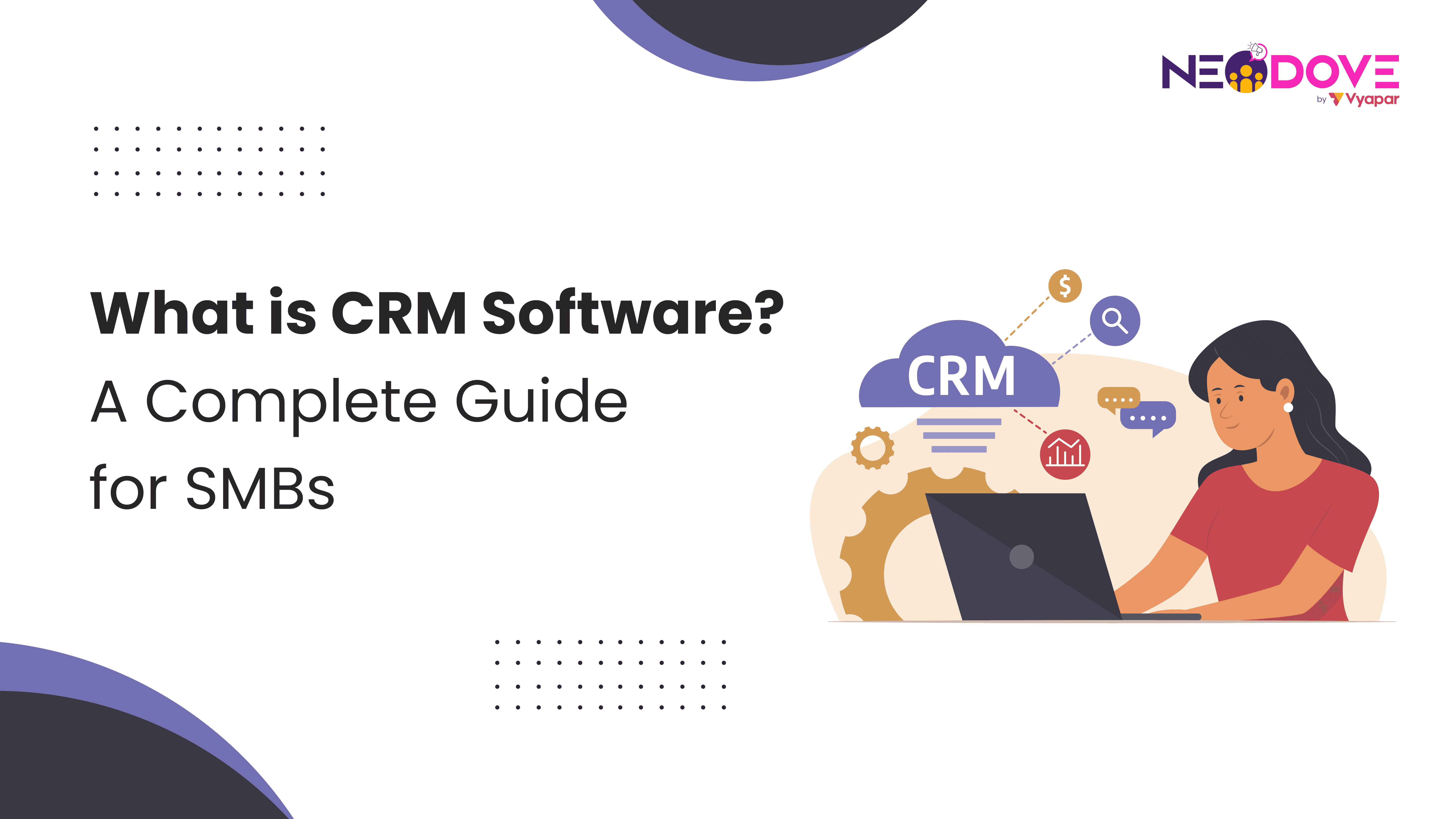
CRM (customer relationship management) software helps small and mid-sized businesses (SMBs) manage sales, marketing, and customer service efficiently. It centralizes customer data, tracks interactions, and automates repetitive tasks.
With the right CRM, SMBs can save time, improve customer relationships, and grow without hiring more staff. Modern CRM tools also provide AI-powered insights to guide decisions and enhance team performance.
What is CRM Software?
CRM software organizes all customer information in one place, giving your team a complete view of each client.
• Track interactions across email, calls, social media, and meetings
• Store purchase history and engagement for personalized marketing campaigns
• Collaborate effectively without duplication or errors
CRM helps SMBs maintain accurate records, improve communication, and ensure every customer receives consistent attention across channels. It also supports better follow-ups and more effective marketing outreach. essential for small businesses and large call centers alike.
Key Features of CRM Software for SMBs
- Contact & Lead Management: Track all customer interactions efficiently
- Pipeline Tracking: Visualize deals at each stage for better forecasting
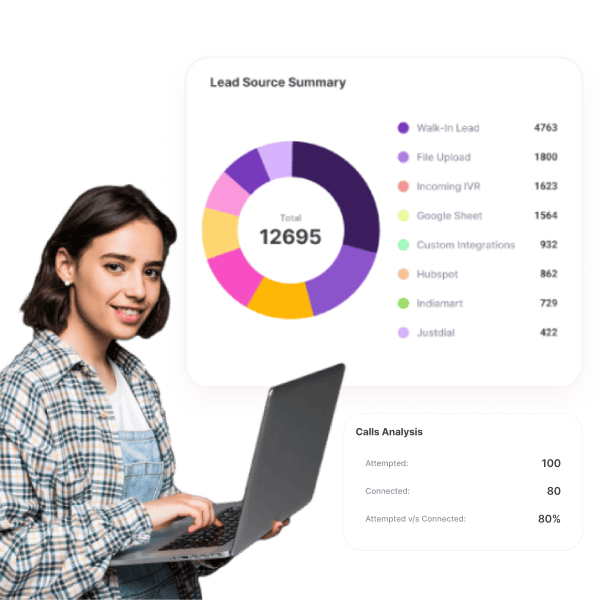
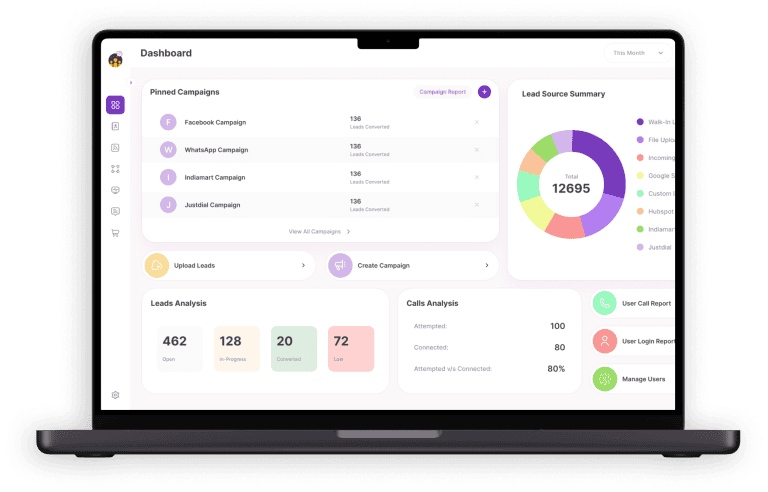
- Advanced Reporting & Analytics: Gain insights from sales, marketing, and customer data
- Mobile Access: Manage leads anytime, anywhere
- Integration: Connect email, telecalling, and messaging platforms
- Email & SMS Automation: Schedule sales follow-ups automatically to engage leads and customers efficiently.
- Custom Dashboards: Tailor views for sales, marketing, and support teams
- Task Prioritization: Focus on the most important tasks first
- Customer Feedback Collection: Gather insights to improve service
- Role-Based Access & Activity Tracking: Maintain security while tracking calls and customer interactions efficiently.
- Automated Dialer Integration: Streamline telecalling campaigns for better lead conversion
This ensures SMBs have complete visibility into customer interactions, improving efficiency and decision-making.
Top Benefits of CRM Software
CRM software helps SMBs work smarter and grow faster:
1. Centralized Customer Data
CRM software allows SMBs to access all customer information in one platform, ensuring that every team member has the most up-to-date details. This helps maintain accurate records and avoids duplication or missed opportunities.
2. Efficient Lead Management
With CRM software, leads can be tracked and prioritized effectively, helping sales teams focus on high-potential prospects. Timely follow-ups and organized pipelines improve conversion rates.
3. Automation Workflows
CRM software automates repetitive tasks such as follow-up messages and reminders, freeing teams to focus on strategic activities. This reduces manual work and ensures consistent customer engagement.
4. Better Customer Experience
By leveraging historical data, CRM software enables SMBs to provide instant and personalized service. Customers receive relevant communication and support, enhancing satisfaction and loyalty.
5. Data-Driven Decisions
Analytics from CRM software help teams make informed decisions, optimize marketing campaigns, and improve operational strategies. Data-driven insights lead to smarter planning and better outcomes.
6. Team Collaboration
CRM software allows seamless sharing of emails, notes, and tasks among team members. This ensures smooth coordination, reduces miscommunication, and improves overall team efficiency.
7. Track Multiple Channels
CRMs enable businesses to monitor customer interactions across emails, calls, social media, and messaging apps. This multi-channel visibility ensures consistent communication and engagement.
8. Smarter Marketing Campaigns
By using customer data effectively, CRM software helps SMBs design targeted marketing campaigns. Personalized outreach improves engagement and increases the likelihood of conversions.
9. Higher Productivity
Automation and organized workflows in CRM software allow teams to focus on high-value activities. This reduces manual effort, saves time, and boosts overall productivity.
10. Improved Team Performance
CRM tools streamline workflows and track progress, helping teams perform more efficiently. Clear task assignments and pipeline visibility enhance accountability and results.
11. Enhanced Reporting
CRM software provides real-time reporting feature that generate actionable insights on leads, sales, and customer trends. These reports help SMBs evaluate performance, identify opportunities, and make informed business decisions.
CRM enables SMBs to manage every stage of the customer journey efficiently while reducing errors and improving response times.
How to Choose the Right CRM Software for your business
- Ease of Use: Teams can adopt quickly without training hurdles
- Scalability: Grow with your business needs
- Data Management: Keep customer data secure and organized
- Customization Options: Adjust dashboards, fields, and reports to fit workflows
- Reliable Support: Vendor provides training and technical help
- Free Trial: Test features before committing
- Cost & ROI: Ensure affordable subscription with clear benefits
- Vendor Reputation: Choose a trusted provider known for reliability
Choosing the right CRM helps small and medium-sized businesses (SMBs) improve their processes. It allows them to track important metrics such as sales performance, lead conversion rates, customer engagement, and campaign effectiveness. This way, they can make informed decisions and get the best return on investment (ROI) from their customer relationship efforts.
How Does CRM Software Use AI?
AI makes CRM smarter and more useful for SMBs:
- Predictive Lead Scoring: Identify high-value leads for faster conversions
- Smart Recommendations: Suggest next steps for sales, marketing, and service teams
- Customer Segmentation: Group customers based on behavior, preferences, and purchase patterns
- Chatbots & Virtual Assistants: Handle routine queries automatically, improving response times
- Sentiment Analyzing: Understand customer satisfaction and adjust engagement strategies.
- Trend Analyzing & Forecasting: Forecast sales patterns, seasonal peaks, and upcoming demand.
- Predictive Customer Insights: AI analyzes historical data to anticipate customer needs
- Optimized Lead Engagement: AI identifies the best time and channel for contacting leads
- Automated Campaign Suggestions: AI recommends email, SMS, and marketing workflows based on customer data
- Workflow Optimization: AI ensures team tasks are prioritized effectively to improve efficiency
With AI integration, SMBs can make smarter decisions, reduce workload, and engage customers in a timely, personalized manner.
Cloud-Based CRM vs On-Premise CRM
| Feature | Cloud-Based CRM | On-Premise CRM |
| Hosting | Provider-managed servers | Company-owned servers |
| Access | Anytime, anywhere | Office network only |
| Cost | Low subscription | High upfront investment |
| Maintenance | Provider-managed | Requires in-house IT team |
| Updates | Automatic | Manual updates |
| Scalability | Easy to expand | Limited by infrastructure |
Cloud-Based CRM Benefits for SMBs
- Quick and easy setup with minimal training
- Enables remote collaboration and real-time data sharing
- Budget-friendly subscription plans suited for small businesses
- Access customer data anytime, from any device
- Mobile-friendly design for managing sales on the go
- Provides enterprise-grade tools at affordable costs
- Automatic updates keep your CRM running with the latest features
- Seamlessly integrates with WhatsApp API, telecalling, email, and marketing tools
CRM software empowers SMBs with flexibility, scalability, and smart automation—helping them build stronger customer relationships without heavy IT investments.
Future Trends in CRM Software: What SMBs Need to Know
CRM software is evolving with AI and cloud technology:
- Hyper-Personalization: AI suggests the best actions for each customer
- Voice & Chat Integration: Simplify communication using assistants and messaging platforms
- Unified Analytics Dashboards: Combine sales, marketing, and service insights
- Predictive Marketing: AI forecasts the most effective campaigns
- Mobile-First Access: Manage leads and customer data from anywhere
- Scalable Cloud Systems: Enterprise-grade tools for SMBs
- Intelligent Automation: AI handles repetitive tasks, freeing teams to focus on strategy
- Enhanced Decision-Making: AI dashboards show trends, potential risks, and growth opportunities
These advancements will allow SMBs to operate like large enterprises with minimal IT investment.
Conclusion
CRM software is essential for SMBs to manage customer data, automate workflows, and improve sales, marketing, and customer service.
Cloud-based, AI-powered CRM systems help SMBs track leads, analyze data, and communicate efficiently.
Choosing the right CRM helps small and medium-sized businesses (SMBs) boost productivity. It also improves customer retention and scales operations. By using automation, analytics, and AI insights, businesses can drive growth.
FAQs
1. How can CRM software help small businesses grow?
CRM software helps SMBs manage sales, marketing, and customer service by centralizing customer data, automating repetitive tasks, and improving lead management.
2. What key CRM features should SMBs look for?
Important features include lead management, contact, automation workflows, reporting and analytics, mobile access, email/SMS automation, task prioritization, and integration with automated dialers.
3. How does AI improve CRM effectiveness?
AI provides predictive lead scoring, smart recommendations, customer segmentation, trend analysis, and lead nurturing automation, enabling SMBs to make smarter, data-driven decisions.
4. How can CRM software strengthen relationships with clients?
By tracking customer interactions, follow-up messages, and purchase history, CRM software helps SMBs personalize communication and maintain strong client relationships.
5. Is a cloud-based CRM suitable for small businesses?
Absolutely. Cloud-based CRM offers affordable pricing, easy scalability, remote access, and automatic updates, giving SMBs enterprise-level tools without heavy IT costs.