



Communication is the lifeline of every growing business. Whether it’s a sales team, a support department, or a call center, efficiently handling customer conversations is vital. Call management helps you manage, monitor, and oversee all your business calls. You can handle both incoming and outgoing calls from one platform.
In this guide, we will explain what call management is. We will also discuss why it is important for businesses today. Finally, we will show how it improves performance, productivity, and customer satisfaction.
What is Call Management?
Call management is the process of handling and monitoring phone calls efficiently using technology. It involves managing incoming calls, routing them to the right person, tracking interactions, and analyzing call performance.
Modern call management app go beyond just receiving and making calls. They have features like automatic call distribution, interactive voice response (IVR), call forwarding, and call transfer. They also include auto recording and integration with auto dialer software. This ensures every call is handled and logged correctly.
Call management ensures that no call is missed. It helps every customer get a quick and professional response.
Why Call Management Matters for Businesses
Every missed call could mean a lost customer, deal, or opportunity. Startups and SMBs can’t afford to overlook how critical customer communication is. A strong call management system helps you:
- Handle high call volumes efficiently
- Reduce waiting times and missed calls
- Track agent performance and call outcomes
- Improve overall customer satisfaction
Whether your team makes outbound sales calls or handles incoming customer support calls, a good system helps everyone involved.
How Call Management Works to Streamline Your Business Communication
A call management system operates as a central control hub for all your call-related activities. Here’s how it typically functions:
1. Incoming Call Routing
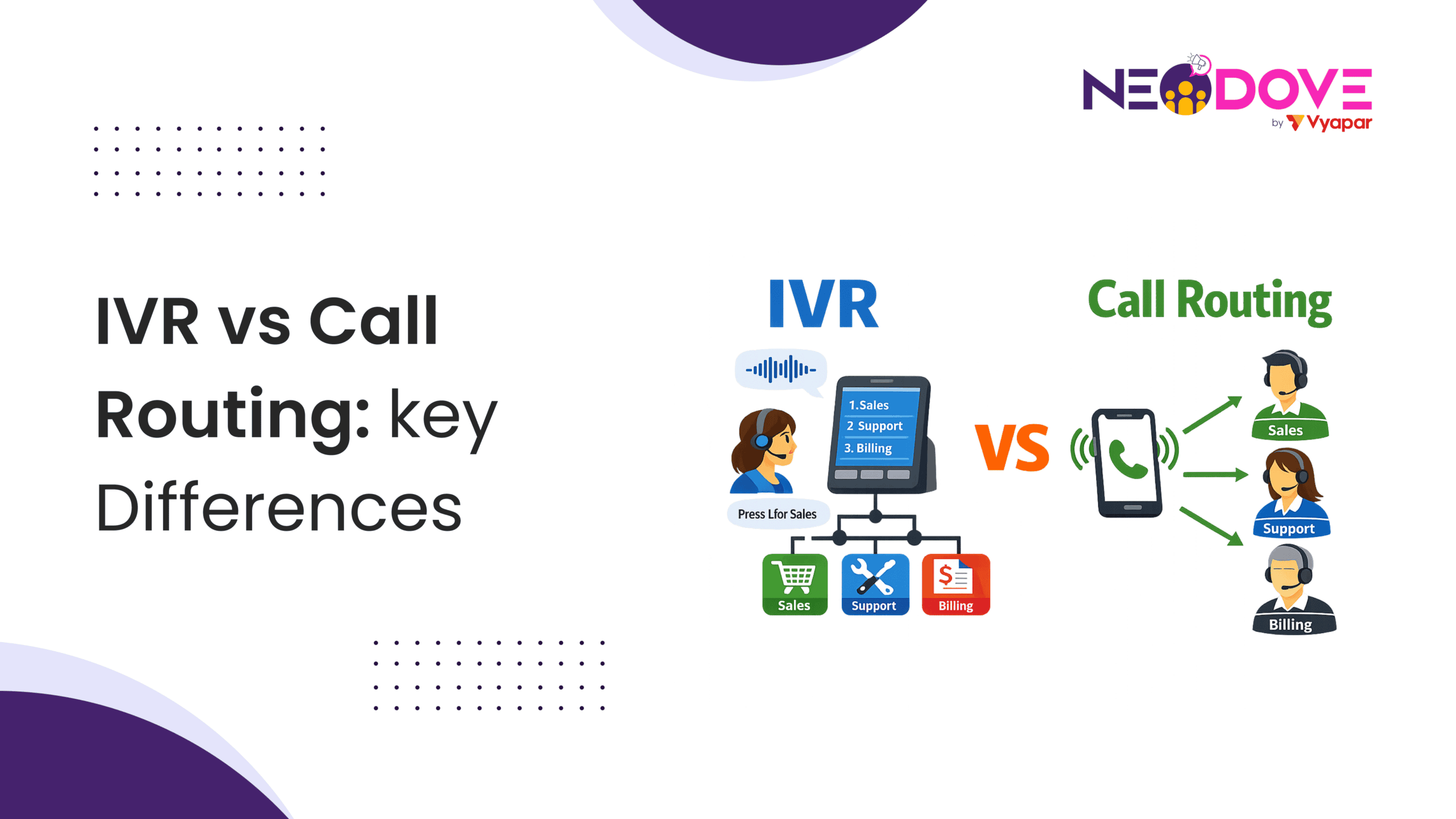
When a customer calls, the system uses interactive voice response (IVR) to route them to the right department or agent based on their query.
2. Call Forwarding & Call Transfer
If an agent is not available, the system will forward the call to another team member. It can also transfer the call to a specialist. This ensures support continues without interruptions.
3. Auto Recording and Call Tracking
Every conversation can be auto recorded for training, compliance, and customer service metrics. The system also tracks call details, including time, duration, and call outcome.
4. Real-Time Data Logging
All recording call details are saved in a cloud-based system, allowing easy access for reporting, quality monitoring, and agent performance evaluation.
5. Analytics and Reporting
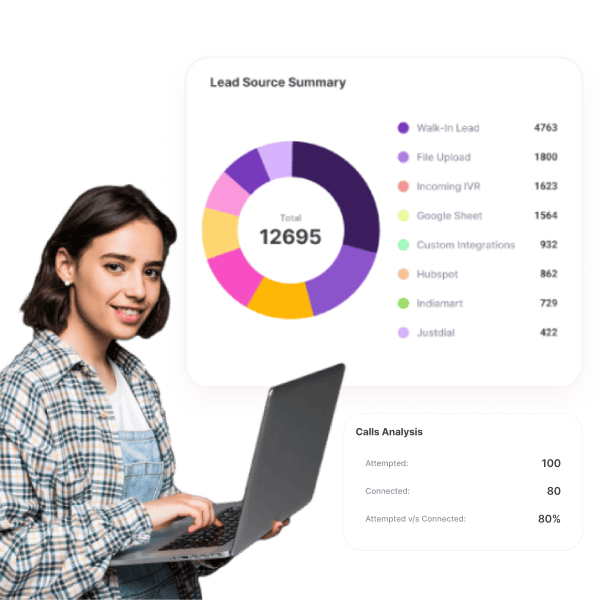
The software provides detailed analytics like response times, resolution rates, and call volumes, helping you make informed business decisions.
Key Features of Call Management Every Business Should Know
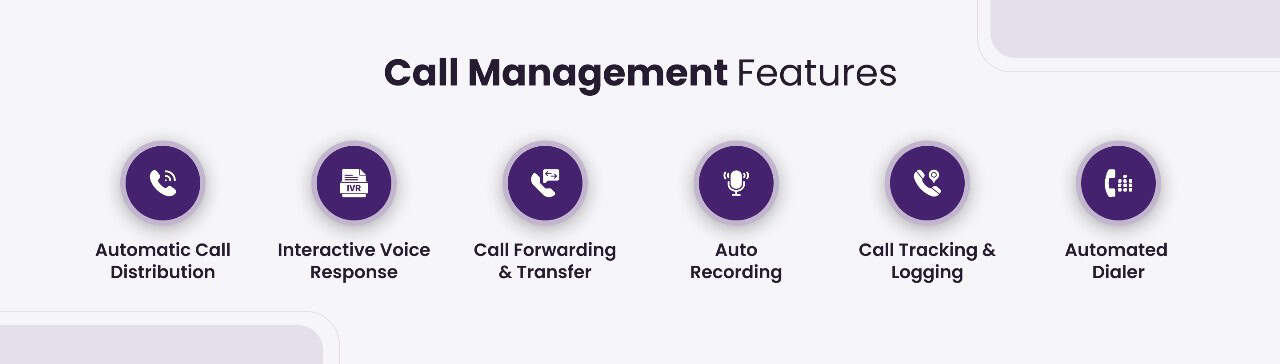
To truly understand call management, let’s explore the features that make it so effective:
1. Automatic Call Distribution (ACD)
Routes calls automatically to the most suitable agent based on availability or expertise — reducing hold times and improving first-call resolution rates.
2. Interactive Voice Response (IVR)
Allows callers to navigate through pre-recorded menus and connect to the right department, enhancing professionalism and efficiency.
3. Call Forwarding and Transfer
Redirects calls to another available team member, mobile number, or office branch to ensure no calls go unanswered.
4. Auto Recording
Automatically records all calls, enabling managers to review customer service metrics, resolve disputes, and train agents effectively.
5. Call Tracking and Logging
Captures key call tracking data such as duration, time, and caller details — ensuring every conversation is documented for follow-ups or reporting.
6. Automated Dialer
Automated dialer help teams perform outbound calling efficiently by dialing multiple numbers automatically and connecting only answered calls to agents. This reduces manual errors and boosts agent productivity.
7. Cloud-Based Access
A cloud-based system lets remote teams access and manage calls from anywhere, ensuring business continuity and flexibility.
8. Integration with CRM and Other Tools
Modern call management system integrate seamlessly with CRM software to record call details, streamline data flow, and boost productivity.
Benefits of Call Management for Businesses
Here’s how call management can bring measurable benefits to your organization:
1. Improved Customer Experience
With efficient call routing, every incoming call is answered promptly, leading to higher customer satisfaction and stronger relationships.
2. Enhanced Agent Productivity
By automating repetitive tasks and logging data, your agents can focus more on customer conversations and less on manual processes. Tools like a dialer for call center make outbound campaigns faster and more organized.
3. Better Performance Insights
With built-in reporting, you can easily track key customer service metrics like response times, missed calls, and call quality.
4. Reduced Operational Costs
Since most solutions run on a cloud-based system, you save on hardware, setup, and maintenance costs.
5. Accountability and Transparency
Features like auto recording and call tracking ensure every call is monitored, improving accountability across teams.
6. Smarter Call Handling
Intelligent call forwarding and automatic call distribution reduce waiting times, improve response rates, and increase efficiency.
Why Call Management Matters More for Contact Centers Than Traditional Call Centers
While both contact centers and call centers deal with customer communication, call management plays a more vital role in contact centers due to their broader scope and complexity.
Here’s why:
- Multi-Channel Communication: Contact centers handle not just calls but also chats, emails, and social media interactions. Call management systems ensure voice interactions integrate seamlessly with these other channels.
- Smarter Call Routing: Contact centers often receive a high volume of diverse customer calls. Features like automatic call distribution (ACD) and interactive voice response (IVR) route each call to the most appropriate agent.
- Centralized Customer Data: With recording call details and call tracking, contact centers maintain a unified record of customer interactions. This ensures agents have complete context during follow-ups.
- Efficient Escalation Handling: Managers can manage escalations more efficiently using auto call recording and analytics. Every call is traceable, ensuring accountability and quality service.
- Data-Driven Insights: Contact centers rely heavily on customer service metrics and analytics. Call management systems offer real-time insights to measure agent performance and customer satisfaction.
In short, while traditional call centers focus mainly on answering or making calls, contact centers depend on call management to connect multiple communication channels, analyze data, and deliver superior customer experiences.
How Call Management Boosts Customer Satisfaction
Good call management means happier customers. Here’s how:
- Faster Responses: Intelligent routing connects customers to agents quickly.
- Reduced Frustration: Features like call forwarding and call transfer minimize hold times.
- Quality Monitoring: Auto recording enables better agent training.
- Feedback Integration: Using customer surveys, you can measure satisfaction and identify improvement areas.
When communication flows smoothly, customers feel heard, valued, and loyal — the key ingredients for long-term success.
Real-Life Example: How Call Management Improved Business Efficiency
A growing insurance startup was struggling to handle 800+ incoming calls daily. Missed calls and long wait times were hurting conversions and client satisfaction.
After adopting a cloud-based call management system with a dialer for call center, they saw immediate improvements:
- Calls automatically routed to the right agents.
- All calls were auto recorded for training and compliance.
- Managers used call tracking to identify performance gaps.
- Customer satisfaction increased by 35% within two months.
Outbound campaigns became more effective with auto dialer software, reducing manual dialing errors.
This case proves that structured call management can transform chaos into clarity.
Tips for Implementing an Effective Call Management
If you’re planning to set up or upgrade your call management process, here are a few practical tips:
- Define Objectives: Know whether your goal is to handle incoming calls efficiently, improve follow-ups, or enhance customer satisfaction.
- Opt for Cloud-Based Software: A cloud-based system allows scalability, flexibility, and easy access for remote teams.
- Integrate with CRM: Connect your call system with CRM tools to automatically record call details and update lead information.
- Train Teams Regularly: Make sure every agent understands how to use features like auto recording, call forwarding, and IVR.
- Track and Optimize: Continuously monitor customer service metrics and adjust strategies based on call tracking data.
The Role of Call Management in Call Tracking and Analytics
One of the most valuable aspects of modern call management systems is call tracking. By automatically recording call details, businesses gain powerful insights into agent performance, peak calling hours, and campaign effectiveness.
These insights are vital for:
- Measuring customer satisfaction
- Optimizing outbound calling campaigns using automated dialer features
- Identifying training needs
- Improving conversion rates
In short, call management turns everyday call data into actionable business intelligence.
The Future of Call Management: Emerging Trends and Innovations
With rapid technological advancement, call management systems are becoming smarter and more connected. The next generation of solutions will include:
- AI-Powered Routing: Predicts the best agent or team to handle each call.
- Speech Analytics: Understands emotions and tone to improve customer satisfaction.
- Omnichannel Integration: Combines outbound calling, chat, and social messaging for a unified experience.
- Automated Escalation Management: AI tools that manage escalations before they affect customer relationships.
The future is not just about managing calls — it’s about managing customer experiences.
Conclusion
In the digital age, where every customer expects quick and reliable service, call management is a must-have for any organization. It simplifies communication, reduces costs, and builds stronger customer relationships.
Whether you’re a startup managing daily incoming calls or a large contact center dealing with thousands of customers, adopting a call management system ensures that every interaction is efficient and productive.
FAQs
1. How does call management improve customer satisfaction?
By intelligently routing calls, reducing hold times, and maintaining detailed logs, call management ensures faster resolutions and personalized service. Integrating customer surveys and call tracking helps businesses continuously improve the customer experience.
2. What are the benefits of using a call management system?
A call management system streamlines call routing and tracks every interaction for better follow-ups. It allows managers to monitor customer service metrics, reduce missed calls, and improve agent productivity, ultimately boosting overall efficiency and customer experience.
3. Can call management software record calls automatically?
Yes. Most modern systems offer auto recording features that capture all calls for quality monitoring, compliance, and training purposes. It also helps managers manage escalations effectively by keeping detailed records of customer interactions.
4. How does call management support remote teams?
A cloud-based system allows agents to make and receive calls from anywhere using internet-connected devices. This ensures continuous communication, easy access to call logs, and real-time monitoring for teams working remotely or across multiple locations.
5. Is call management suitable for call centers?
Absolutely. Call management is essential for both call centers and contact centers, helping to streamline outbound calling campaigns, track agent performance, and improve customer satisfaction. It also ensures calls are efficiently routed, logged, and analyzed for better decision-making.