



Starting a real estate business in India can be both exciting and challenging. With more competition and changing customer needs, it’s important to improve operations.
You should manage leads effectively. It’s also essential to maintain strong client relationships. Using a real estate CRM system can help both new and experienced agents manage tasks better. It also helps them maximize sales opportunities.
This step-by-step guide will walk you through everything you need to know to start a successful real estate business in India.
Why Starting a Real Estate Business Matters in India
India’s real estate sector is one of the fastest-growing industries. Urbanization, better infrastructure, and a rising demand for housing drive it. For aspiring entrepreneurs, this market offers significant opportunities. Starting a real estate business without a clear plan can cause lost leads, missed sales, and problems in operations.
Using modern tools like real estate CRM software and call management software keeps your business organized from the start. This lets you focus on building client relationships and closing deals.
Step 1: Research the Real Estate Market
Before starting, understand the market dynamics:
- Identify Your Niche: Decide whether you want to focus on residential, commercial, or industrial properties.
- Study Competitors: Analyze what other agencies are offering, their pricing, and marketing strategies.
- Understand Customer Needs: Engage with potential buyers or investors to learn about their preferences and pain points.
A good understanding of the market is key to your business strategy. It helps you decide which automated dialer features will help your sales team the most.
Step 2: Register Your Business
To operate legally in India, you need proper registration:
- Choose a Business Structure: Options include sole proprietorship, partnership, LLP, or private limited company.
- Get Legal Approvals: Obtain GST registration, PAN, and local municipal licenses if necessary.
- Trademark Your Brand: Protect your brand name and logo to build trust with clients.
Proper registration ensures credibility and opens doors to partnerships, investors, and bank loans.
Step 3: Set Up Office and Operations
Your office can be physical, virtual, or a hybrid. Key considerations include:
- Location: Select a location that is accessible to clients and has high visibility.
- Infrastructure: Ensure your office has reliable internet, phones, and workspace.
- Operational Tools: Invest in a real estate CRM system, call management software, and an automated dialer to handle leads efficiently.
These tools automate routine tasks, track customer interactions, and help your team stay organized, even if you have a small team.
Step 4: Build Your Real Estate Team
A strong team is essential for growth:
- Sales Agents: Responsible for lead generation and client meetings.
- Marketing Specialists: Handle social media campaigns, email marketing, and property listings.
- Support Staff: Manage admin tasks, documentation, and customer follow-ups.
Giving your team sales CRM software makes sure every interaction is recorded. It also automates follow-ups for better efficiency.
Step 5: Create a Marketing Strategy
Marketing helps you attract clients and build brand recognition:
- Online Presence: Develop a professional website and active social media accounts.
- Property Listings: Use portals like MagicBricks, 99acres, and Housing.com.
- Email Campaigns: Send newsletters and property updates using CRM tools.
- Telecalling Campaigns: Utilize automated dialers to reach potential clients faster.
A combination of digital marketing and direct outreach ensures that your business stands out in a crowded market.
Step 6: Generate and Manage Leads
Leads are the lifeblood of any real estate business.
- Lead Capture: Collect leads through website forms, social media, and property portals.
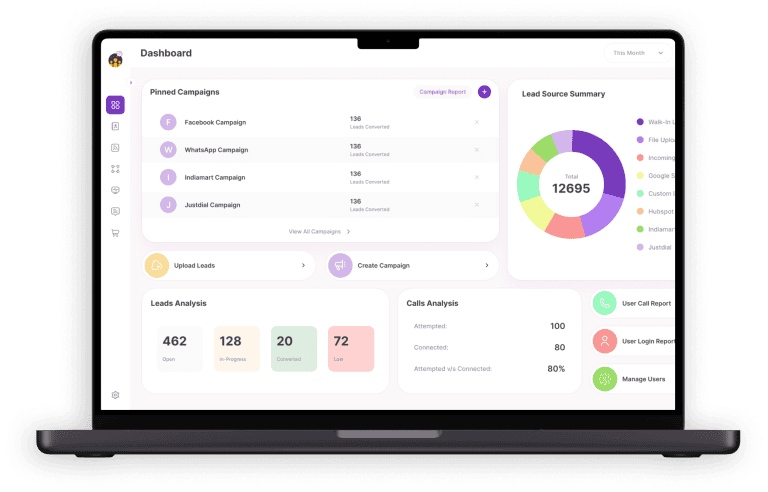
- Lead Management: Use a real estate CRM system to categorize, assign, and track leads.
- Follow-Ups: Implement automated follow-ups using an automated dialer to ensure no lead is lost.
Proper lead management increases conversion rates and shortens the sales cycle.
Step 7: Streamline Sales Processes
Efficient sales processes are key to closing deals:
- Property Showings: Schedule visits and track client interest through the CRM.
- Negotiation: Maintain records of offers and counteroffers within the CRM for reference.
- Documentation: Manage agreements, contracts, and compliance documents digitally.
With call management software, your team can handle inquiries seamlessly, even during peak business hours.
Step 8: Focus on Customer Relationships
Customer loyalty leads to repeat business and referrals:
- Personalized Communication: Use CRM to send personalized property recommendations.
- Timely Updates: Notify clients about new listings and price changes promptly.
- Feedback Collection: Collect feedback after property visits to improve services.
A real estate CRM system tracks every client interaction, making relationship management effortless.
Step 9: Leverage Technology for Efficiency
Modern technology boosts productivity and reduces manual work:
- Automated Dialer: Speeds up outbound calls and improves agent productivity.
- Sales CRM Software: Centralizes lead and client data for easy access.
- Call Management Software: Monitors calls, tracks performance, and records conversations for training.
Investing in the right tools ensures your business scales smoothly and efficiently.
Step 10: Monitor Performance and Improve
Regular evaluation helps optimize business performance:
- KPIs: Track metrics like leads generated, conversion rates, and average deal size.
- Reports: Use CRM-generated reports to analyze sales performance.
- Continuous Improvement: Adjust marketing strategies, team structure, and operational processes based on insights.
A data-driven approach allows you to stay competitive in a fast-paced real estate market.
Real-Life Example: How CRM Transformed a Real Estate Startup
A Mumbai-based real estate startup struggled with lead management and follow-ups. After implementing a real estate CRM system with automated dialer features, they:
- Increased lead response rate by 60%.
- Reduced manual follow-ups by 50%.
- Closed deals 30% faster due to better lead tracking.
This demonstrates how technology can significantly boost efficiency and revenue for new real estate businesses.
Conclusion
Starting a real estate business in India requires careful planning, efficient tools, and a customer-centric approach. Understanding the market, managing leads, and optimizing sales are all important steps. Each step helps build a successful business.
Investing in a real estate CRM system, sales CRM software, and call management software helps operations run smoothly. It also improves client relationships and boosts sales. Start today, automate your processes, and watch your business grow!
FAQs
1. What are the first steps to start a real estate business in India?
Start by researching the local market, choosing your niche (residential, commercial, or rentals), and registering your business legally. Planning your business model and target clients is also essential.
2. Do I need any licenses or registrations?
Yes, you need to register your business, obtain GST registration, and comply with RERA regulations if handling property sales or rentals. Proper documentation ensures legal operations.
3. How do I generate leads for my real estate business?
Leads can be generated through online property listings, social media marketing, referrals, networking events, and using CRM tools to track and manage potential clients.
4. Is technology important for real estate business?
Absolutely! Tools like real estate CRMs, auto-dialer software, and property management apps help streamline operations, improve client engagement, and save time.
5. Can I manage my real estate business remotely?
Yes, cloud-based CRM systems and property management tools allow you to access leads, track deals, and communicate with clients from anywhere, making remote management easy and efficient.