



In real estate, client relationships are everything. Managing leads and property details can be tough. This is true for both independent agents and those in a growing brokerage. Keeping track of client follow-ups can also add to the stress. That’s where a real estate CRM (Customer Relationship Management) system comes in.
A good CRM doesn’t just store client data — it helps you nurture leads, automate follow-ups, track sales, and improve conversions. But with so many tools on the market, how do you choose the best real estate CRM for your business?
This guide will walk you through the essential features, benefits, and practical tips to help you pick the right CRM for real estate success.
What Is a Real Estate CRM?
A real estate CRM is specialized software built to help agents and agencies manage the entire property sales process. It is tailored for the real estate market, where client relationships, long sales cycles, and high-value transactions require accuracy and efficiency.
With a real estate CRM, agents can:
- Capture and organize leads from multiple channels
- Automate follow-ups with email, SMS, or auto dialer software
- Track property listings, viewings, and negotiations
- Use call management software to handle client conversations seamlessly
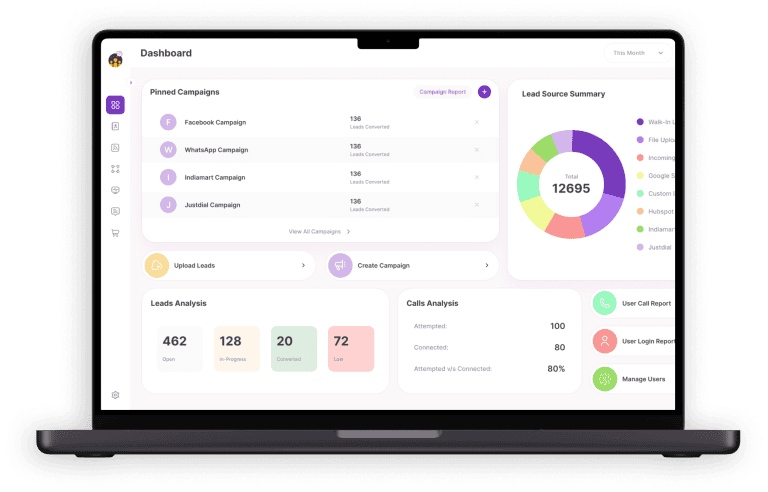
- Get reports on pipeline performance and revenue
Why Real Estate Agents Need a CRM
Real estate is competitive. Missing one follow-up can cost you a deal. A CRM ensures you:
- Stay organized – Keep all property and client data in one place.
- Improve productivity – Use automation to save time on repetitive tasks.
- Close more deals – Never miss a follow-up or lead opportunity.
- Build stronger relationships – Personalize interactions with insights.
Think of your CRM as your digital assistant — working 24/7 to ensure nothing slips through the Cracks.
Benefits of Using a Real Estate CRM
Using a real estate CRM provides measurable advantages for agents and agencies:
- Increased Productivity: Automate repetitive tasks like follow-ups, reminders, and bulk calls with auto dialer software.
- Improved Client Relationships: Keep detailed records of client preferences and interactions to personalize communication.
- Faster Deal Closures: Organize property listings, viewings, and negotiations efficiently to accelerate the sales process.
- Data-Driven Decisions: Get insights from reports and analytics to make informed business choices.
- Mobility: Access all client and property data on the go via mobile apps.
Key Features to Look for in the Best Real Estate CRM
When choosing the best real estate CRM, focus on features that directly impact your daily operations. Here’s what to prioritize:
1. Lead Management
- Automatic lead capture from websites, ads, and social media.
- Categorization of leads into hot, warm, and cold.
- Assignment of leads to team members for faster response.
2. Integrated Communication
- Built-in call management software for smooth calling.
- An automated dialer makes many calls at the same time.
- Email, SMS, and WhatsApp integration to connect across channels.
3. Task & Follow-Up Automation
- Scheduling reminders for property visits.
- Automated follow-ups via auto dialer software.
- Alerts for important client milestones (e.g., contract renewals).
4. Property & Deal Tracking
- Centralized property listings.
- Linking properties with client preferences.
- Deal stages with visual pipeline dashboards.
5. Reporting & Analytics
- Sales performance reports track team productivity.
- Lead conversion tracking monitors the journey of leads to closure.
- Insights on ROI from campaigns measure the effectiveness of marketing efforts..
6. Mobile Access
- A CRM app for agents on the go.
- Push notifications for lead updates.
- Offline sync for areas with weak internet.
How to Choose the Best Real Estate CRM: A Step-by-Step Guide
Step 1: Define Your Needs
Ask yourself:
- How many leads do I manage each month?
- Do I need sales CRM software with strong automation?
- Is call management or property tracking my top priority?
Step 2: Set a Budget
CRMs are available at various prices. Compare features vs. cost. Cloud-based CRMs usually offer flexible subscription plans.
Step 3: Look for Integrations
Your CRM should integrate with:
- Email marketing tools
- WhatsApp Business API
- Automated dialer systems
- Accounting software
Step 4: Test Usability
Choose user-friendly software. A steep learning curve can slow down adoption across your team.
Step 5: Check Support & Training
Does the vendor provide onboarding and tutorials? These matter more than you think.
Real-Life Example: How CRMs Transform Real Estate Sales
Consider a mid-sized real estate agency handling 300+ leads monthly. Before CRM adoption, agents struggled with manual spreadsheets and missed follow-ups.
After implementing a real estate CRM with an auto dialer, they achieved:
- 40% faster lead response times
- 25% higher conversion rates
- Centralized property tracking across teams
- Improved client satisfaction from personalized interactions.
This proves that the right CRM isn’t just a tool — it’s a growth driver.
Mistakes to Avoid When Choosing a Real Estate CRM
- Overlooking mobile access – Agents often work on the move.
- Ignoring scalability – Choose a CRM that grows with your business.
- Focusing only on price – Cheap software without automation costs more in lost deals.
- Skipping trial versions – Always test before committing.
Conclusion: Choosing the Best Real Estate CRM
Selecting the right real estate CRM can transform the way you manage leads, properties, and client relationships. By focusing on features like lead management, automation, and communication tools such as call management software and automated dialer integrations, you’ll streamline operations and close more deals.
FAQs About Choosing the Best Real Estate CRM
1. Can small real estate agencies benefit from a CRM?
Yes, even small agencies and solo agents can benefit from a real estate CRM. It helps automate repetitive tasks, organize client details, and ensure no follow-up is missed. With affordable cloud-based plans, CRMs are now accessible to businesses of all sizes.
2. Is mobile access important in a real estate CRM?
Absolutely. Most real estate agents work outside the office — attending site visits, client meetings, and property showings. A mobile-friendly CRM allows agents to update leads, access property details, and respond to clients instantly, even on the go.
3. Why do real estate agents specifically need a CRM?
Real estate agents juggle multiple leads, property listings, and client conversations daily. A CRM helps them stay organized, track every interaction, and automate follow-ups with tools like an auto dialer or call management software. This ensures agents build stronger relationships and close deals faster.
4. Which features should I prioritize in a real estate CRM?
Key features to prioritize include lead management, automated follow-ups, property and deal tracking, and mobile access. Also consider built-in tools like auto dialer software, real-time reporting tool, and call management to save time and improve client engagement.
5. How important are integrations in a real estate CRM?
Very important. The best CRMs integrate with tools like WhatsApp, email, accounting software, and automated dialer systems. These integrations reduce manual work, improve team productivity, and ensure that all client communication happens from one unified platform.