



In the fast-paced real estate industry, managing leads, follow-ups, and client communication can get overwhelming. Agents often juggle multiple listings, negotiations, and client queries simultaneously. That’s where a Real Estate CRM comes in — a powerful tool that helps realtors streamline sales, organize client data, and close deals faster.
A good Real Estate CRM system saves time. It helps agents stay organized, find new opportunities, and build better client relationships. Let’s look at what a Real Estate CRM is. We will discuss its main features, benefits, and best practices. These can help you succeed in property sales and management.
What is a Real Estate CRM?
A Real Estate CRM software is a cloud-based tool. It helps real estate agents manage their interactions with clients and potential clients. It stores essential contact information, automates routine tasks, and tracks the progress of sales and property listings.
A CRM helps you manage all your conversations. It is useful whether you are an independent agent or work for a real estate firm. It helps you keep track of follow-ups and opportunities, making sure no lead is missed.
Key Features of a Real Estate CRM
A robust Real Estate CRM software comes with a range of features tailored to the property market. Here are some of the most important ones:
1. Contact Management
Store and manage all your client and prospect data in one place — including phone numbers, emails, preferences, and communication history. With a few clicks, you can access all the contact information you need for follow-ups.
2. Lead Tracking and Automation
Automatically capture leads from your website, social media, or ads. The CRM then assigns these leads to sales agents, tracks progress, and sends reminders for follow-ups — helping you save time and close more deals.
3. Sales Pipeline Management
Visualize where each client stands in the sales process — from initial inquiry to final sale. This feature allows you to track progress, set targets, and focus your efforts on high-priority clients.
4. Reporting and Analytics
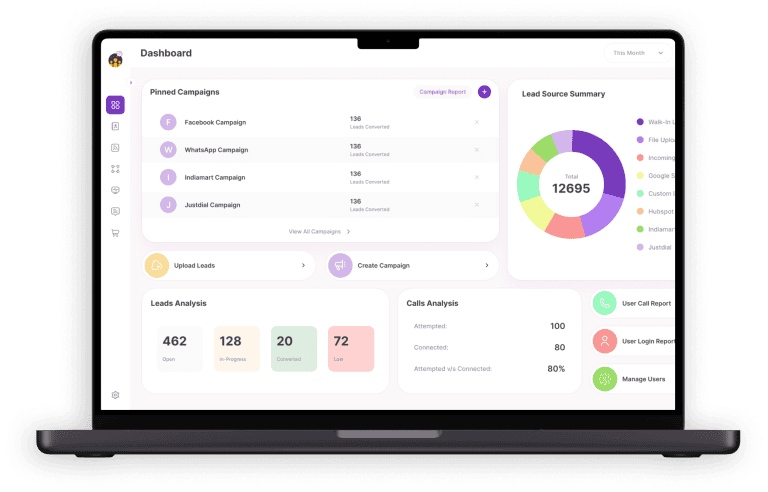
Get detailed insights into your team’s performance, deal conversions, and client engagement. With advanced reporting, you can identify what’s working and optimize your strategies for better results.
5. Project and Task Management
Many modern CRMs come with project management capabilities, allowing you to assign tasks, set deadlines, and track project milestones — ensuring every deal moves smoothly.
6. CRM Customization
Every real estate business operates differently. A flexible CRM system for real estate allows customization of fields, dashboards, and workflows to match your agency’s unique processes.
7. Cloud-Based Access
A cloud-based CRM ensures you can access your data anytime, anywhere — whether you’re at a client meeting, on-site at a property, or working remotely.
Top 5 Benefits of Using Real Estate CRM
Implementing a CRM offers numerous advantages for agents and brokers alike. Let’s look at the major benefits:
1. Improved Organization
With all client data stored in one place, you can stay organized and avoid losing important information or missing follow-ups.
2. Faster Deal Closures
Automation and smart alerts help you respond to client inquiries quickly, resulting in faster sales opportunities and smoother transactions.
3. Enhanced Customer Relationships
CRM tools allow personalized communication — keeping clients engaged through timely updates, reminders, and property recommendations. This helps build long-term relationships and increase repeat business.
4. Better Team Collaboration
Cloud-based CRMs enable multiple team members to access the same information in real time, improving coordination and transparency within your team.
5. Data-Driven Decisions
With real-time reports and performance insights, you can refine your CRM strategy, identify high-value leads, and focus efforts where they matter most.
Best Practices for Using Real Estate CRM Effectively
Having the right tool is just the first step — using it wisely is what drives real success. Here are some proven best practices:
1. Keep Your Data Clean and Updated
Regularly update client details, remove duplicates, and ensure accurate information for better targeting and communication.
2. Automate Repetitive Tasks
Set up automated reminders for calls, follow-ups, and property updates to save time and improve efficiency.
3. Customize Dashboards and Reports
Use CRM customization to track the call center metrics that matter most to your business — such as conversion rates, open leads, or top-performing agents.
4. Integrate with Marketing Tools
Connect your CRM with email marketing and social media tools to streamline lead generation and follow-up campaigns.
5. Train Your Team
Make sure every team member understands how to use the CRM effectively. Continuous training helps improve productivity and ensures consistent usage across the organization.
Actionable Takeaways
- Adopt a cloud-based Real Estate CRM to manage all leads and contacts efficiently.
- Use automation to handle repetitive sales and follow-up tasks.
- Leverage CRM analytics to identify top-performing agents and optimize sales strategies.
- Regularly review and update your CRM workflows to match your evolving business needs.
- Prioritize personalization to nurture leads and strengthen client relationships.
Conclusion
A Real Estate CRM is no longer a luxury — it’s a necessity for agents looking to grow their business, improve client management, and boost sales. By leveraging the right CRM system, you can stay organized, focus on the right opportunities, streamline lead management, track client interactions, automate follow-ups, and gain valuable insights to build lasting relationships that drive long-term success.
FAQs
1. What is the purpose of a Real Estate CRM?
A Real Estate CRM helps agents manage client interactions, automate follow-ups, and organize property data to close deals faster and improve client satisfaction.
2. How can real estate professionals benefit from using a CRM?
Real estate professionals can benefit from a cloud-based CRM by efficiently managing leads through lead management system, organizing client information, tracking sales progress, automating follow-ups, and generating insightful reports to close deals faster.
3. How does a Real Estate CRM improve client communication?
A CRM centralizes all client interactions, allowing agents to send timely updates, schedule property tours, and maintain consistent follow-ups. This ensures clients feel valued and well-informed throughout the buying or selling process.
4. Can a Real Estate CRM help track property listings effectively?
Yes. Modern CRMs let you manage multiple listings, including details, availability, and client interest. You can quickly match buyers to properties, ensuring faster and more accurate sales decisions.
5. How does a Real Estate CRM support marketing efforts?
CRMs integrate with email, social media, and SMS campaigns, enabling agents to run targeted promotions. This helps attract new leads, nurture existing clients, and maximize the return on investment (ROI) on marketing campaigns.