




In today’s fast-paced business environment, every customer call matters. Effectively handling inbound and outbound calls ensures that existing customers receive timely support and that we reach potential leads efficiently.
Proper call management helps businesses resolve issues quickly, build stronger relationships, and create positive customer experiences. By combining the right communication skills with smart tools, companies can boost productivity, improve satisfaction, and drive sales growth. Efficient handling of calls is no longer optional – it’s a key factor in business success.
Understanding Different Types of Business Calls
Business communication usually involves two types of calls:
- Inbound calls are initiated by customers seeking support, product information, or to provide feedback. These calls focus on customer service and require quick, accurate problem resolution.
- Outbound calls are initiated by your team to reach prospects, follow up with leads, or promote products. They are key to driving sales and expanding your reach.
Combining both effectively ensures a seamless customer experience. Companies often use CRM systems, auto dialers, and call routing software to manage interactions efficiently and avoid missed opportunities.
Why Effective Call Management Matters for Overall Business Success
Properly handling calls benefits your business in several ways:
- Boosts productivity: Automation tools save time and allow agents to focus on meaningful conversations.
- Improves lead management: Every call can be tracked in a lead management system. This helps make sure follow-ups happen on time.
- Enhances customer satisfaction: Quick, polite, and informed responses increase trust and loyalty.
- Supports data-driven decisions: Analytics and quality monitoring tools provide insights into agent performance and customer behavior.
- Drives revenue growth: Efficient call handling can turn prospects into loyal customers and increase conversion rates.
Tools That Make Call Handling Faster, Smarter, and More Organized
Managing a high volume of calls can be challenging. The right tools make processes more efficient and organized:
- Centralized call tracking: A call management app allows agents to record, track, and review all calls. Managers can monitor performance, identify trends, and ensure consistent service quality.
- Access to customer information: Connecting with CRM systems gives agents quick access to customer details and past interactions. This helps them have personalized conversations and solve problems faster.
- Automated dialing: Auto dialers for outbound calls reduce manual dialing, allowing agents to reach more prospects efficiently and improve productivity.
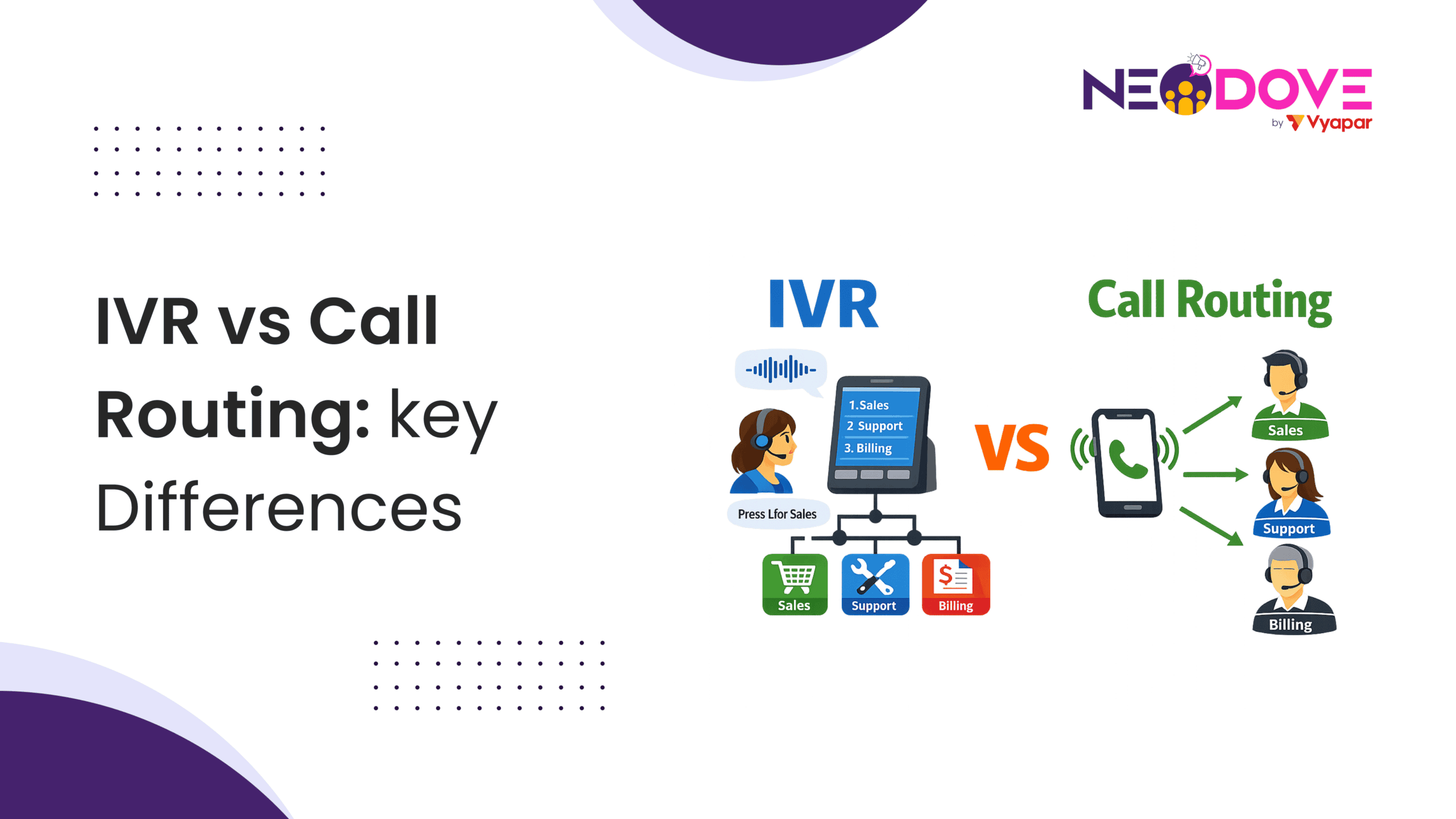
- Efficient call routing: Smart call routing sends incoming calls to the right department or available agent. This reduces wait times and improves the customer experience.
- Lead tracking and follow-up: Connecting calls to lead management software ensures that every inquiry is recorded. This helps us follow up and nurture leads until they convert.
- Performance insights: These tools often provide analytics and reporting to help teams optimize workflows and maintain high customer satisfaction.
Best Practices for Handling Inbound Calls
Inbound calls often involve customer queries, complaints, or requests. Here’s how to handle them professionally:
Answer promptly to minimize wait times.
- Start the conversation with a warm, friendly greeting.
- Listen actively to understand the customer’s needs fully.
- Provide clear solutions rather than excuses.
- Record important details in your CRM system for future reference.
- Follow up after the call to ensure you resolve issues and satisfy customers.
Combining empathy with technology ensures inbound calls become opportunities to strengthen customer relationships. Providing helpful suggestions, anticipating potential issues, and offering additional resources during the call can significantly improve customer satisfaction and loyalty.
Best Practices for Handling Outbound Calls
Outbound calls focus on outreach and generating business opportunities. To make them effective:
- Research the prospect using CRM data to personalize your approach.
- Set a clear objective for each call, whether it’s a follow-up, feedback, or a sales pitch.
- Keep the conversation natural and avoid sounding scripted.
- Respect the customer’s time and call during appropriate hours.
- Take notes on key points and next steps for future reference.
- Use an auto dialer system to efficiently manage high volumes of outbound calls.
Outbound calls are most effective when agents are prepared, polite, and focused on creating meaningful connections. Providing value during the conversation, like offering useful insights or proactively meeting a need, boosts engagement and enhances the chances of conversion.
Balancing Inbound and Outbound Communication
Maintaining a balance between inbound and outbound calls is essential for overall efficiency. Key strategies include:
- Continuous training to improve communication and problem-solving skills.
- Monitoring performance through quality monitoring tools and call analytics.
- Leveraging technology, combining CRM systems, call management apps, and auto dialers for seamless operations.
- Encouraging collaboration between sales and support teams for consistent messaging.
- Using call data to analyze trends, optimize workflows, and enhance customer experience.
A well-balanced system promptly handles both leads and customers, which improves satisfaction and conversion rates. Businesses that reach out to customers and offer support usually gain more loyalty. This can lead to better sales.
Conclusion
Efficiently managing inbound and outbound calls is vital for growing businesses. Trained agents, clear processes, and smart tools like CRM systems help businesses save time. Call routing software and lead management platforms also improve customer experience and boost sales.
Every call is an opportunity — when handled correctly, it strengthens relationships, boosts trust, and contributes to sustainable business growth. Using best practices and technology makes sure that every customer or lead gets attention. This helps call handling become a key part of business success.
FAQs
1. Why is it important to manage inbound and outbound calls effectively?
Managing calls effectively ensures customers get timely support while prospects are reached efficiently. It improves customer satisfaction, reduces missed opportunities, and helps drive business growth.
2. How many inbound calls should an agent handle?
The number of inbound calls an agent should handle depends on call complexity, average handling time, and team capacity. On average, agents can manage 20–30 calls per day efficiently, ensuring each customer receives quality attention without compromising service.
3. How can I balance inbound and outbound calls without overwhelming my team?
Use call analytics to monitor volume trends, assign shifts strategically, and integrate call management apps to automate routine tasks. Balancing workloads ensures timely support for inbound calls while maintaining proactive outbound outreach.
4. Can I use the same software for inbound and outbound contact centers?
Depending on the software you’re considering, it’s possible. With outbound contact centers, since you’re doing outreach or proactive follow-ups, typically you’d need a platform that has a built-in dialer or similar feature that can help your team (often it’s a sales team) make calls more quickly and in less time.
5. How does effective call handling impact customer satisfaction and sales?
Prompt responses, personalized interactions, and organized follow-ups increase customer satisfaction, strengthen loyalty, and boost conversions. Well-handled calls can turn leads into paying customers and enhance long-term business growth.