


Introduction: The Communication Challenge in Healthcare
In today’s fast-paced healthcare industry, smooth and timely communication is critical. Healthcare centers depend on good call management. This includes scheduling appointments, handling emergencies, and helping patients with follow-ups. Yet, many facilities still depend on manual calling methods, spreadsheets, or outdated systems. This often leads to missed calls, patient frustration, and operational inefficiency.
That’s where Call Management Software makes a difference. Healthcare centers can use advanced tools. These tools include IVR calling, cloud calling software, and auto dialers. They help ensure that every patient call is answered and handled properly. For hospitals, clinics, and diagnostic centers, adopting this technology can transform the patient experience and improve staff productivity
Why Healthcare Centers Need Call Management Software
Unlike retail or finance, healthcare is more personal and time-sensitive. Patients expect quick responses, accurate information, and seamless communication. Let’s look at the major challenges that healthcare centers face without modern call management tools:
- High Call Volumes: During peak hours, staff may struggle to handle hundreds of incoming patient queries.
- Missed Appointments: Without automated reminders, patients may forget scheduled check-ups or tests.
- Delayed Responses: Manual call routing leads to long wait times and dissatisfaction.
- Scattered Information: Patient data stored in multiple systems makes it hard for agents to provide quick assistance.
- Limited Tracking: Without reporting tools, managers can’t measure staff performance or call efficiency.
Call Management Software solves these problems by bringing communication together, automating tasks, and making patient interactions smooth and professional.
Key Benefits of Call Management Software for Healthcare
1. Improved Patient Experience
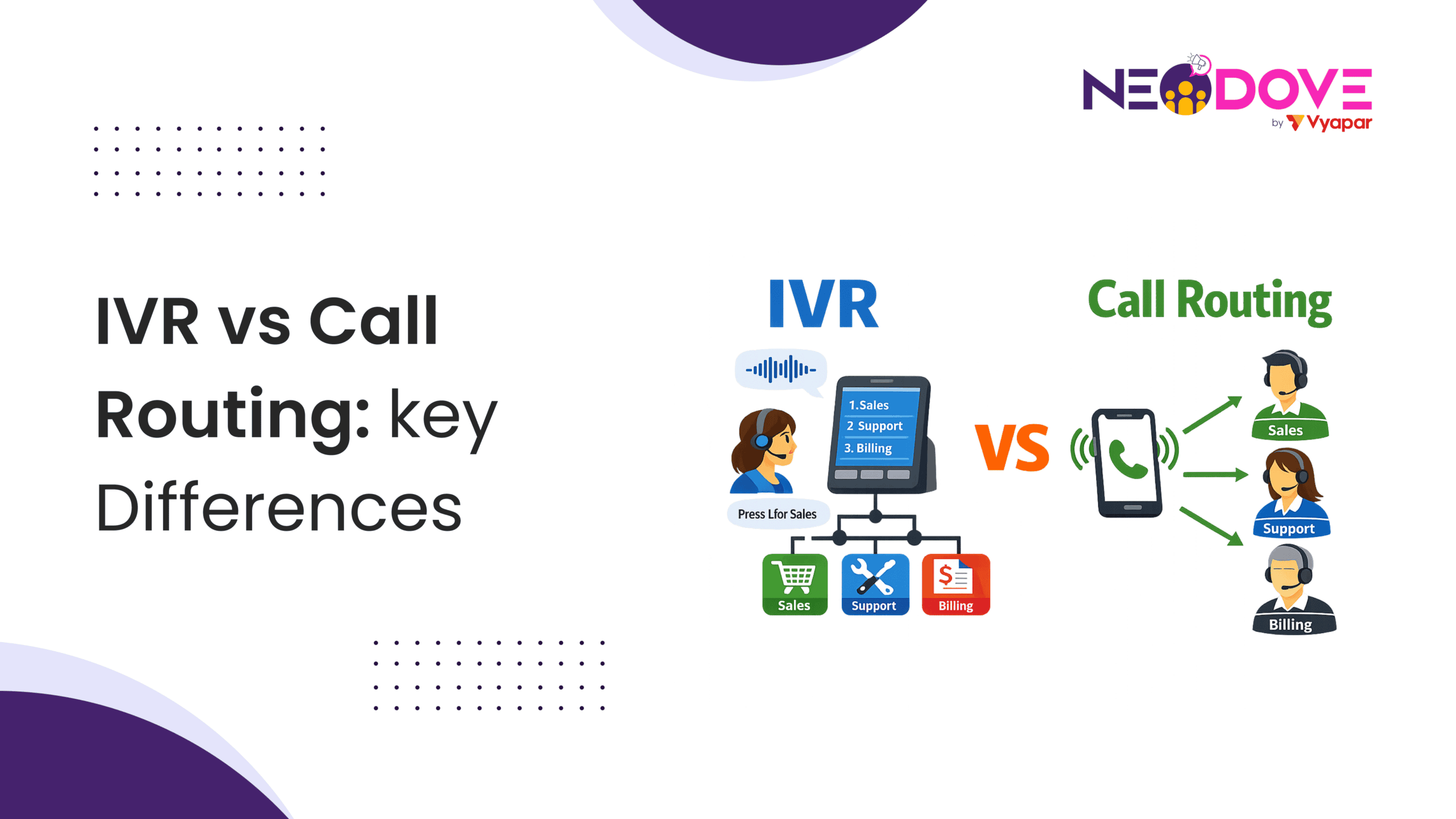
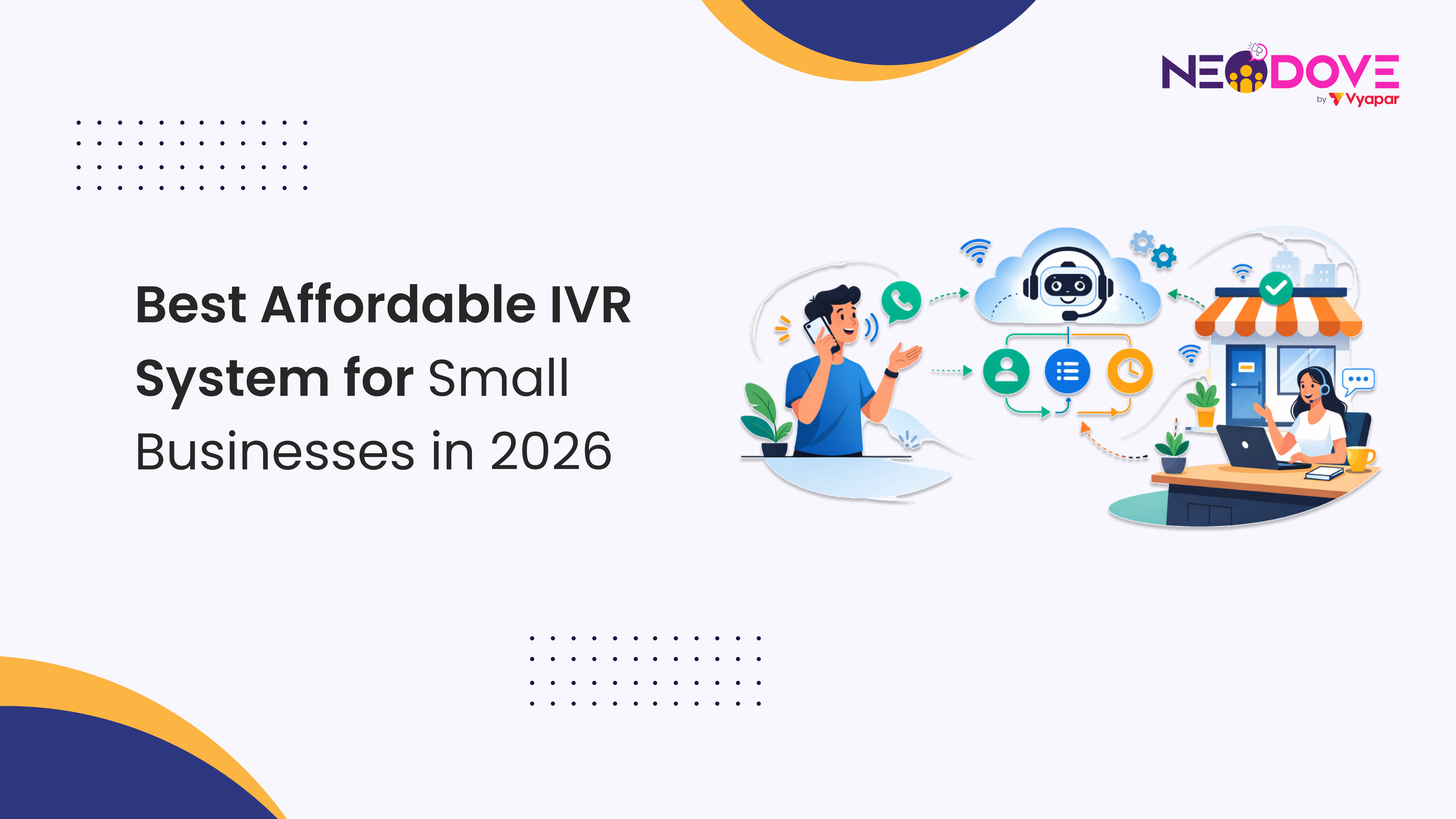
Patients appreciate fast and personalized service. With IVR calling, calls go automatically to the right department. This could be billing, appointments, or emergency help. This system reduces wait times and frustration
2. Efficient Call Handling
Using features like click-to-call and auto dialer software, healthcare staff no longer waste time dialing numbers manually. They can reach patients faster, confirm appointments, and send follow-up reminders without delays.
3. Reduced No-Shows and Missed Appointments
Missed appointments cost healthcare centers both time and revenue. Automated reminders from cloud calling software notify patients about their upcoming visits. They receive these reminders through calls or SMS, which helps increase attendance rates.
4. Streamlined Internal Communication
Hospitals often involve multiple departments—front desk, labs, doctors, and finance teams. A dialer for call center integrated into the system ensures seamless communication among staff, improving coordination and efficiency.
5. Better Data Management
Every call, patient query, and follow-up can be recorded and stored in one system. This not only helps with future reference but also ensures compliance with healthcare regulations.
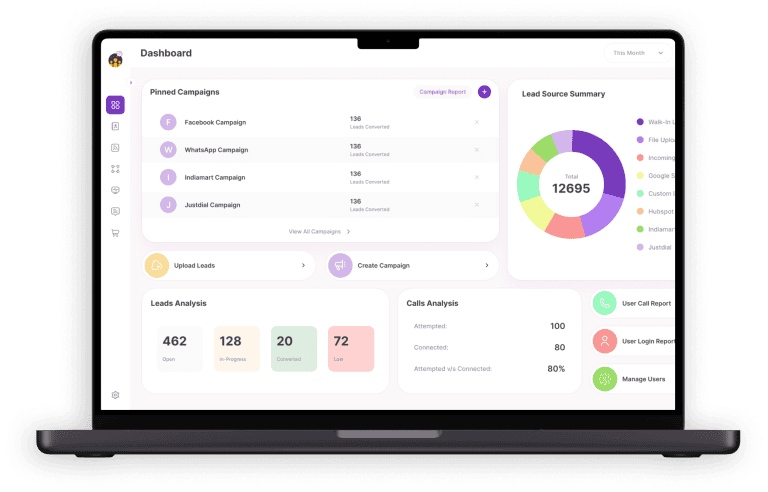
6. Real-Time Reporting and Analytics
Managers can access detailed dashboards that show call volumes, missed calls, agent performance, and patient satisfaction scores. This visibility helps in resource planning and service improvement.
Essential Features of Call Management Software for Healthcare
Here are the top features that make Call Management Software an essential tool for modern healthcare centers:
- IVR Calling System: Automatically directs patients to the right department, ensuring faster service.
- Auto Dialer Software: Simplifies outbound calling for appointment reminders, lab results, or awareness campaigns.
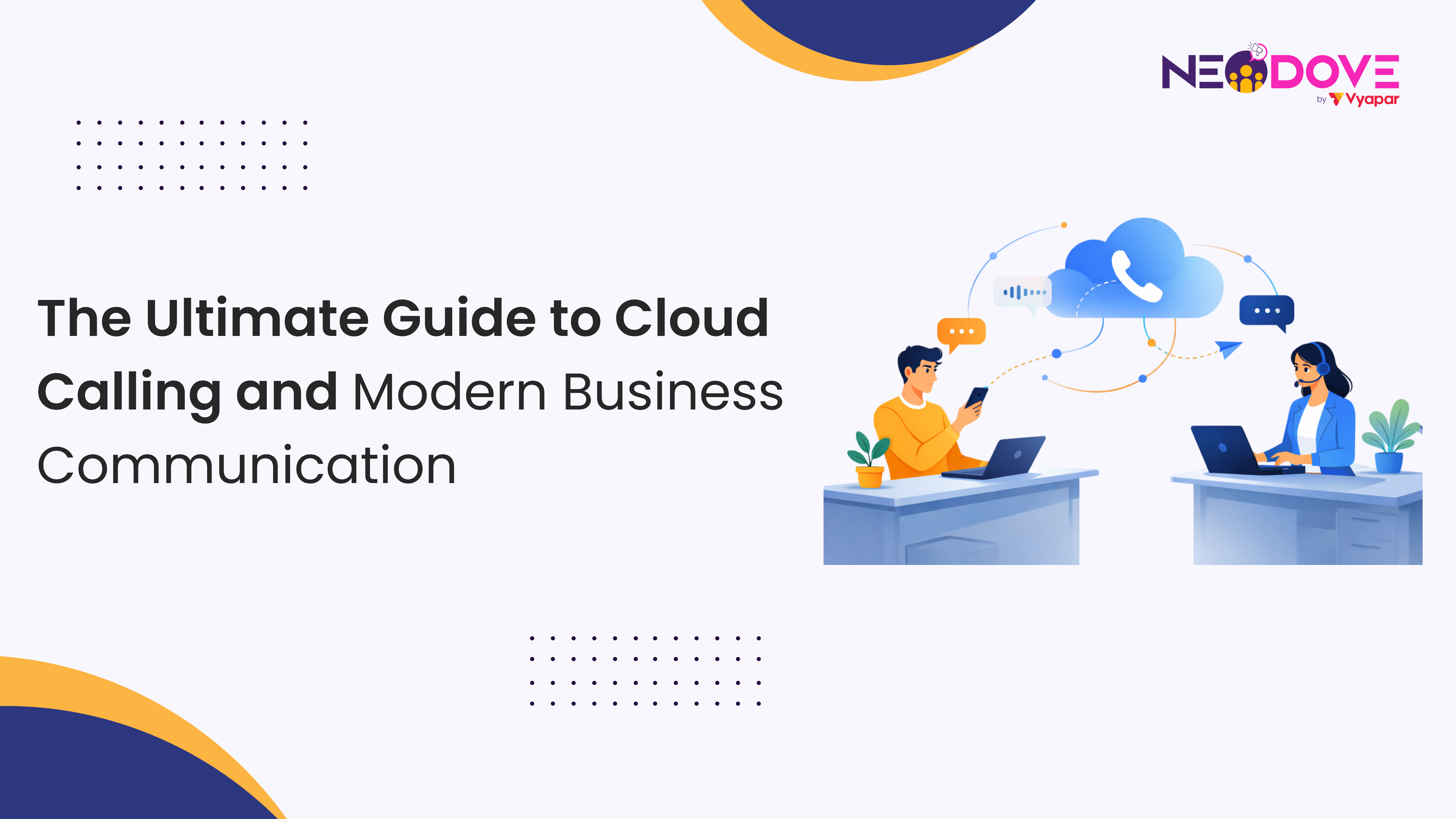
- Cloud Calling Software: Keeps doctors, nurses, and staff connected even while working remotely.
- Click-to-Call Functionality: Saves time, removes manual dialing errors, and improves call accuracy.
- Call Recording & Tracking: Helps with staff training, ensures compliance, and improves service quality.
- Follow-Up Reminders: Makes sure no patient query or appointment is overlooked.
- Analytics & Reports: Provides managers with actionable insights into call volumes, response times, and patient engagement.
Real-Life Example: How a Multi-Specialty Hospital Improved Patient Care
A multi-specialty hospital in India was struggling with high call volumes and frequent patient complaints about delayed responses. After implementing Call Management Software with IVR calling and cloud calling features, they saw immediate improvements:
- 30% reduction in missed calls
- 25% increase in appointment confirmations due to automated reminders
- Faster patient routing, reducing average wait times from 4 minutes to under 1 minute
- Better real-time reporting tool allowed managers to monitor agent performance in real-time
This real-world example shows how even large, busy healthcare facilities can benefit from modernizing their communication systems.
Long-Term Benefits of Call Management Software for Healthcare Centers
Beyond immediate improvements in patient handling, Call Management Software has long-term advantages that drive both growth and efficiency.
1. Stronger Patient Relationships
Trust is the foundation of healthcare. When patients are assured that their calls will always be answered promptly, they feel respected and cared for. Features like personalized greetings through IVR calling and consistent follow-ups powered by an auto-dialing system build stronger connections, enhance patient loyalty, and create lasting trust.
2. Enhanced Staff Productivity
Doctors, nurses, and administrative staff don’t need to juggle between multiple tools. A single cloud-based software platform gathers data. This allows staff to focus more on delivering care instead of manual tasks.
3. Cost Savings for Healthcare Centers
Investing in Call Management Software reduces dependency on large call desk teams. With automation, fewer resources can handle larger call volumes, leading to significant cost savings.
4. Better Emergency Handling
In emergencies, every second matters. With a dialer for call center system, important calls can be quickly sent to doctors or specialists. This helps ensure faster response times.
5. Data-Driven Decision Making
Healthcare administrators often struggle with resource allocation. With robust call analytics, they can see peak calling times, common patient queries, and staff performance trends. This data helps in making better hiring, training, and investment decisions.
Tips for Choosing the Right Call Management Software for Healthcare
When selecting the best solution for your healthcare center, consider the following factors:
- Scalability: Can the system handle growing call volumes as your facility expands?
- Integration: Does it integrate with existing healthcare CRM or patient management systems?
- Ease of Use: Is it simple for non-technical staff to use daily?
- Security & Compliance: Does it meet HIPAA or local healthcare data security regulations?
- Support & Training: Does the provider offer strong customer support and onboarding?
The Future of Call Management in Healthcare
With the rise of telemedicine and remote healthcare services, communication systems must be smarter and more flexible. Cloud calling software and AI-driven IVR calling systems are already reshaping how healthcare centers interact with patients. In the future, predictive analysis and voice bots will improve patient engagement. They will provide care reminders and real-time support.
Conclusion: Transforming Healthcare Communication
In the healthcare industry, every second counts. Patients expect quick responses, accurate information, and smooth interactions. Call Management Software combined with a healthcare CRM empowers healthcare centers to meet these expectations by automating calls, centralizing data, and improving efficiency.
FAQs
1. How does Call Management Software improve patient experience in healthcare centers?
It makes sure calls go to the right department quickly. This reduces wait times and allows for automated reminders. Patients feel cared for and valued.
2. Can Call Management Software help reduce missed appointments?
Yes. Automated reminders through calls or SMS remind patients about their scheduled visits, significantly lowering no-show rates.
3. Is Call Management Software useful for small clinics or only large hospitals?
It’s beneficial for both. Small clinics save time with automation, while large hospitals handle high call volumes more efficiently with advanced features.
4. How does Call Management Software support emergency situations?
The system quickly routes urgent calls to the right doctor or department, ensuring faster response times when every second matters.
5. What reporting features does Call Management Software provide?
It provides real-time dashboards and detailed analytics. You can see call volumes, agent performance, response times, and patient satisfaction. This helps support decisions based on data.