






















Join our WhatsApp Channel for the latest updates.
Table of Contents
ToggleKey Takeaways
A CRM (Customer Relationship Management) database is a key tool for businesses that want to keep track of their customer relationships. But what exactly does it do? How does it help companies manage customer data more efficiently?
In this guide, we’ll break down what a CRM database is, how it works, and why it’s important for businesses of all sizes. Whether you’re new to CRM systems or looking to understand more, this guide has you covered.
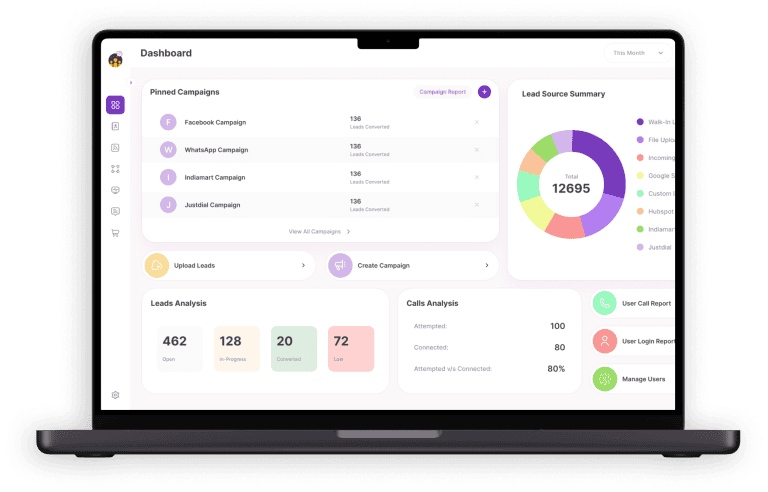
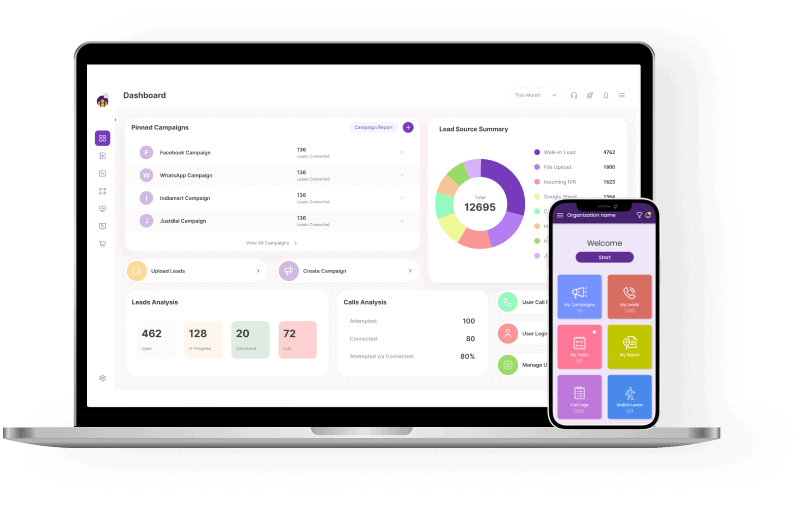
A CRM database is a platform that stores all the information a business gathers about its customers. This includes their contact details, past purchases, interactions with customer service, and any preferences they’ve shared.
With all this data in one place, businesses can get a clear picture of their customers and provide better service. Instead of juggling information in different places, a CRM database keeps everything organized, helping teams collaborate and work more effectively.
By having easy access to customer data, businesses can also run more personalized marketing campaigns, improve sales efforts, and strengthen their customer relationships.
Here are some key reasons why having a CRM database is valuable:
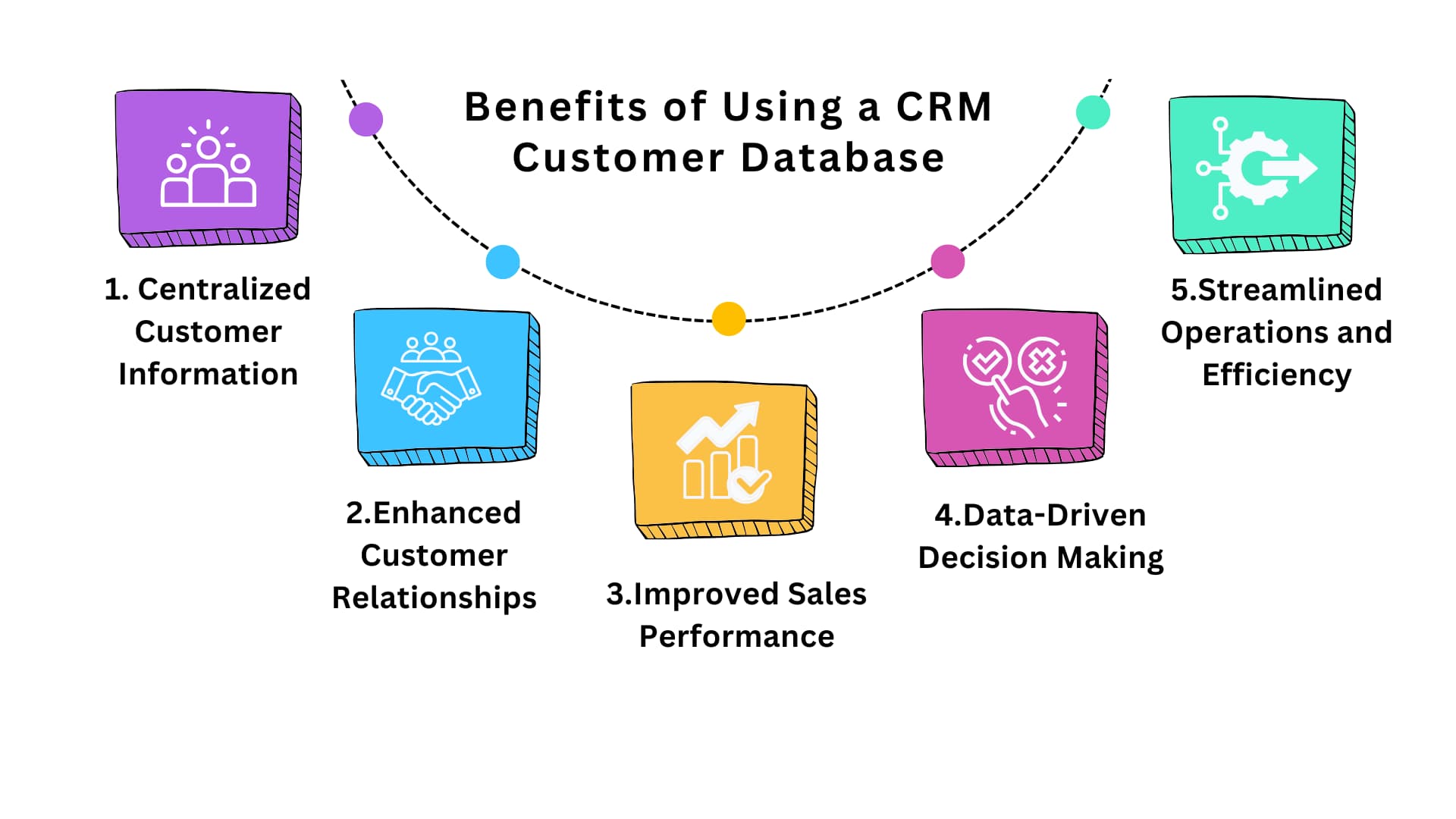
A CRM database makes it easy to store and access customer information in one location. This includes details like names, phone numbers, email addresses, and a record of interactions. Having this data organized helps businesses stay on top of customer needs.
Tip – A well-organized database guarantees that all customer information is properly tracked, ensuring seamless and consistent communication.
With a CRM database, companies can track each customer’s journey, from their first contact to their latest purchase. By analyzing this data, businesses can understand what customers like, how they behave, and what they might need next. This makes it easier to provide tailored services.
Tip – This data-driven approach empowers businesses to anticipate customer needs and deliver personalized experiences that resonate with individual customers.
Different departments, like sales, marketing, and customer support, can all use the same CRM database to access customer data. This leads to better communication and teamwork, as everyone is working with the same information.
Tip – Collaboration leads to a more cohesive customer experience and strengthens the overall customer relationship.
Businesses can use CRM databases to make more targeted marketing campaigns that cater to different customer groups. Instead of sending generic messages, companies can deliver personalized offers based on customer interests and past behavior.
Tip – By targeting the right audience with the right message at the right time, businesses can increase conversion rates, improve customer satisfaction, and ultimately boost revenue.
A well-maintained CRM database helps businesses analyze trends and patterns. With this data, companies can make smarter decisions, whether it’s about product development, customer support, or marketing strategies.
Tip – Data driven insights enable companies to make informed decisions that drive efficiency, customer loyalty, and profitability.
When a customer reaches out for help, the support team can quickly find their information in the CRM database. This means faster responses and more effective solutions, which leads to happier customers.
Tip – High level of personalization not only increases customer satisfaction but also encourages repeat business and long-term loyalty.
Finally, a customer database is essential for enhancing customer service initiatives. Customer support agents can rapidly obtain crucial information about a customer’s previous contacts and problems when they have access to a CRM database.
This allows them to resolve queries faster and more efficiently, leading to a better overall customer experience.
Tip – A well-organized database ensures that support teams have all the information they need at their fingertips, reducing wait times and frustration for customers.
One of the most significant benefits of a CRM database is its ability to centralize customer data. Instead of dealing with fragmented information across spreadsheets, emails, and various systems, a CRM customer database brings everything together in one place.
It houses essential details like customer contact information, communication history, purchase patterns, and preferences.
Tip – By having all this data in one accessible location, businesses can maintain better control over their customer interactions.
The primary purpose of CRM database management is to improve customer relationships. With all customer data stored in one place, businesses can gain valuable insights into customer behavior, preferences, and needs.
This allows companies to provide personalized experiences, which is key to building strong and lasting relationships.
For example, if a customer has repeatedly purchased a specific product or service, the CRM data can trigger personalized marketing campaigns that target similar offers or provide loyalty rewards.
Tip – This level of personalization not only improves customer satisfaction but also fosters long-term loyalty.
A CRM database doesn’t just store customer data; it also helps improve the sales process. Sales teams can customize their approach to each prospect by monitoring customer interactions and preferences.
CRM database management allows businesses to analyze historical data to predict which leads are most likely to convert, enabling more strategic sales efforts.
Tip – CRM data can be used to segment customers based on their buying behavior, demographics, or other factors. his makes it easier to create targeted sales strategies that address specific needs and resulting in higher conversion rates.
Having access to current and reliable information is essential for making well-informed business decisions in today’s data-driven environment. A CRM customer database provides businesses with comprehensive data that can be analyzed to identify trends, track performance, and forecast future opportunities.
Tip – These insight allows companies to make adjustments to their marketing and sales strategies, ultimately leading to more efficient operations and better business outcomes.
Another major benefit of using a CRM database is the operational efficiency it provides. With all customer data centralized and organized, teams can save time that would otherwise be spent searching for information across different platforms.
CRM database management automates many administrative tasks, such as data entry, follow-up reminders, and reporting, freeing up time for teams to focus on more strategic activities.
Tip – Sales, marketing, and customer service teams can easily access the same data, ensuring that everyone is aligned and working towards the same goals.
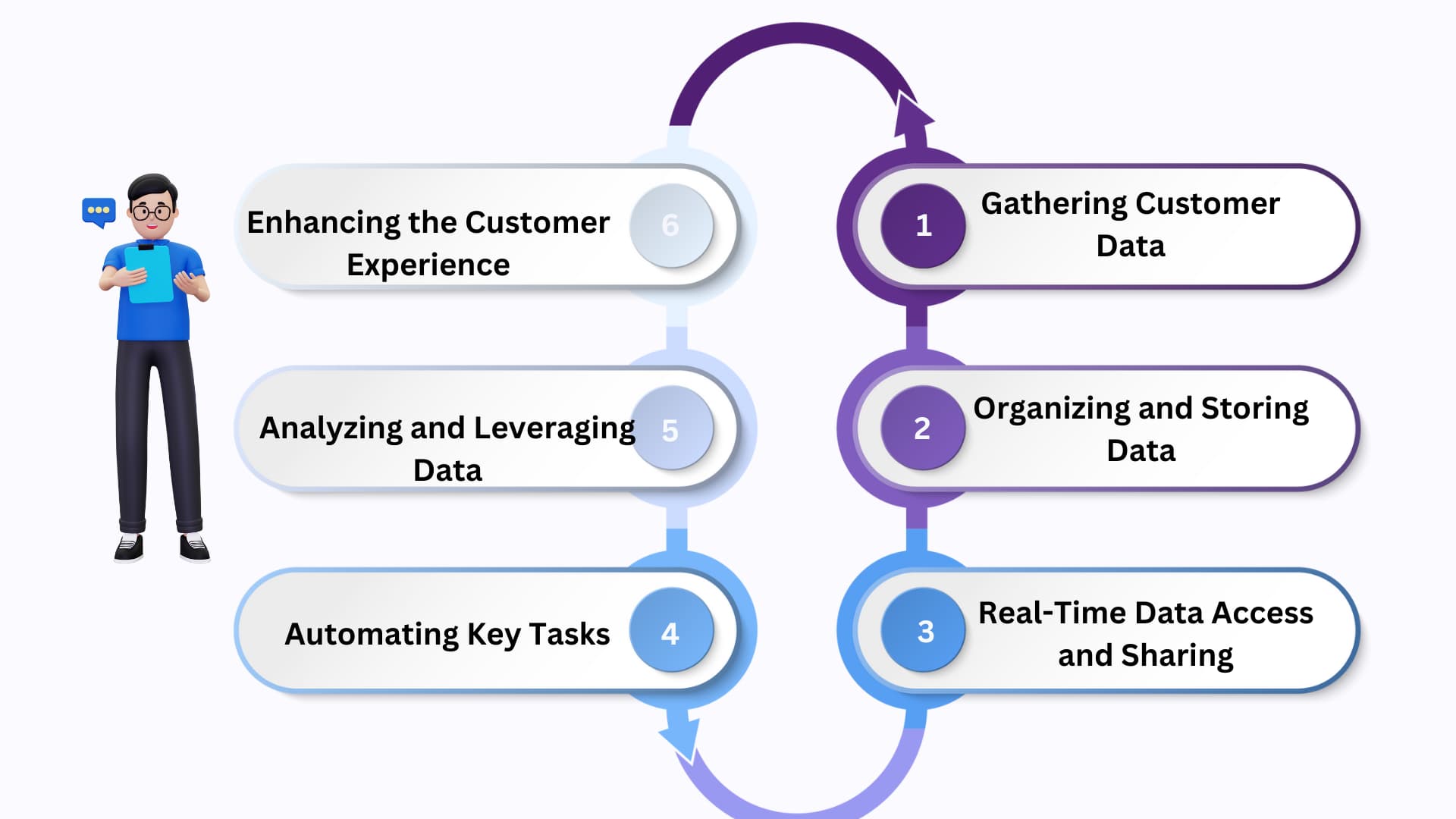
A CRM database plays a vital role in how businesses manage customer relationships. Here’s a closer look at how it works, step by step.
The first step for any CRM database is collecting customer information from various sources, such as:
This information helps companies track how their customers interact with them and better understand their needs.
Following collection of the data, it is carefully arranged and kept in the CRM system. As a result, different teams can easily access and utilize the information whenever they need it. Usually, the data is categorized into groups such as:
By having everything structured in this way, sales, marketing, and customer service teams can work more efficiently and always stay on the same page.
A CRM database allows authorized team members to access customer data in real time, which improves collaboration across departments. For example:
By ensuring that everyone has access to the most recent information, this real-time sharing facilitates more seamless interactions.
A CRM system doesn’t just store data; it also helps automate essential business tasks, such as:
Automation saves time, reduces human error, and ensures that customer data remains accurate and up-to-date.
With all the customer data in one place, businesses can easily analyze it to gain insights. The CRM database helps create reports that can track:
These insights help businesses make informed decisions, refine their strategies, and identify opportunities for growth.
Enhancing the customer experience is perhaps the biggest advantage of utilizing a CRM database. By having a complete view of each customer’s history, preferences, and behavior, businesses can:
In the end, this leads to more satisfied customers, stronger loyalty, and increased sales, which are the ultimate goals for any business.
A CRM database is an essential tool that transforms how businesses manage and nurture customer relationships. By centralizing customer data, it empowers teams across sales, marketing, and customer service to work more effectively, personalize interactions, and enhance the overall customer experience.
The insights gained from a well-structured CRM system not only drive smarter decision-making but also promote growth through improved customer satisfaction and loyalty.
As you leverage the full potential of your CRM database, your business will be better equipped to build lasting, meaningful relationships that lead to long-term success.
A CRM database is a system that stores and manages customer data, including contact details, communication history, preferences, purchase records, and service requests. It centralizes this information to help businesses improve customer relationships and streamline operations.
Because it gives organizations a comprehensive picture of the client lifecycle, a CRM database is essential for personalizing interactions, enhancing marketing tactics, and increasing sales. It also enables collaboration across departments and enhances overall customer experience.
A CRM database enables companies to track interactions and preferences by centralizing the customer database. This ensures individualized service and builds better ties by helping to customize offers and messages for specific clients.
A CRM database stores various types of data, including customer contact details, communication A variety of categories, such as customer contact information, correspondence logs, past purchases, preferences, and service requests, are stored in a CRM database.
Yes, a CRM database benefits both marketing and sales teams by providing access to valuable customer data. Sales teams can utilize the data to better target their approach and clinch deals, while marketing teams can develop focused campaigns.
A CRM database improves customer support by giving service teams quick access to a customer’s entire interaction history. This enables them to resolve issues faster and provide personalized assistance, resulting in a better overall experience for the customer.

100% Lead Capture, 75% More Efficiency, 2X Engagement!
Book a free demo and see how you can close more deals, faster!


95% business who use NeoDove report 3x more profits!
Happy Customers
107k reviews


Book a free demo and see how you can close more deals, faster!

![]()
95% business who use NeoDove report 3x more profits!
Happy Customers
107k reviews

These outcomes and beyond can be yours.
Lead Leakage
Increase in call attempts
More Engagement