



















Join our WhatsApp Channel for the latest updates.
Table of Contents
ToggleKey Takeaways
One of the best ways to ensure that your support team delivers stellar service is by tracking the right customer service metrics.
These metrics give you valuable insights into your team’s performance, customer satisfaction, and areas for improvement. But with so many possible metrics out there, it can be overwhelming to know where to start.
In this blog, we will dive into 21 essential customer service metrics that can help you measure and enhance your customer support efforts.
We will also touch on how these metrics relate to broader business goals, such as customer service KPIs (Key Performance Indicators), B2B sales KPIs, and the most important KPIs for organizations, particularly in SaaS marketing.
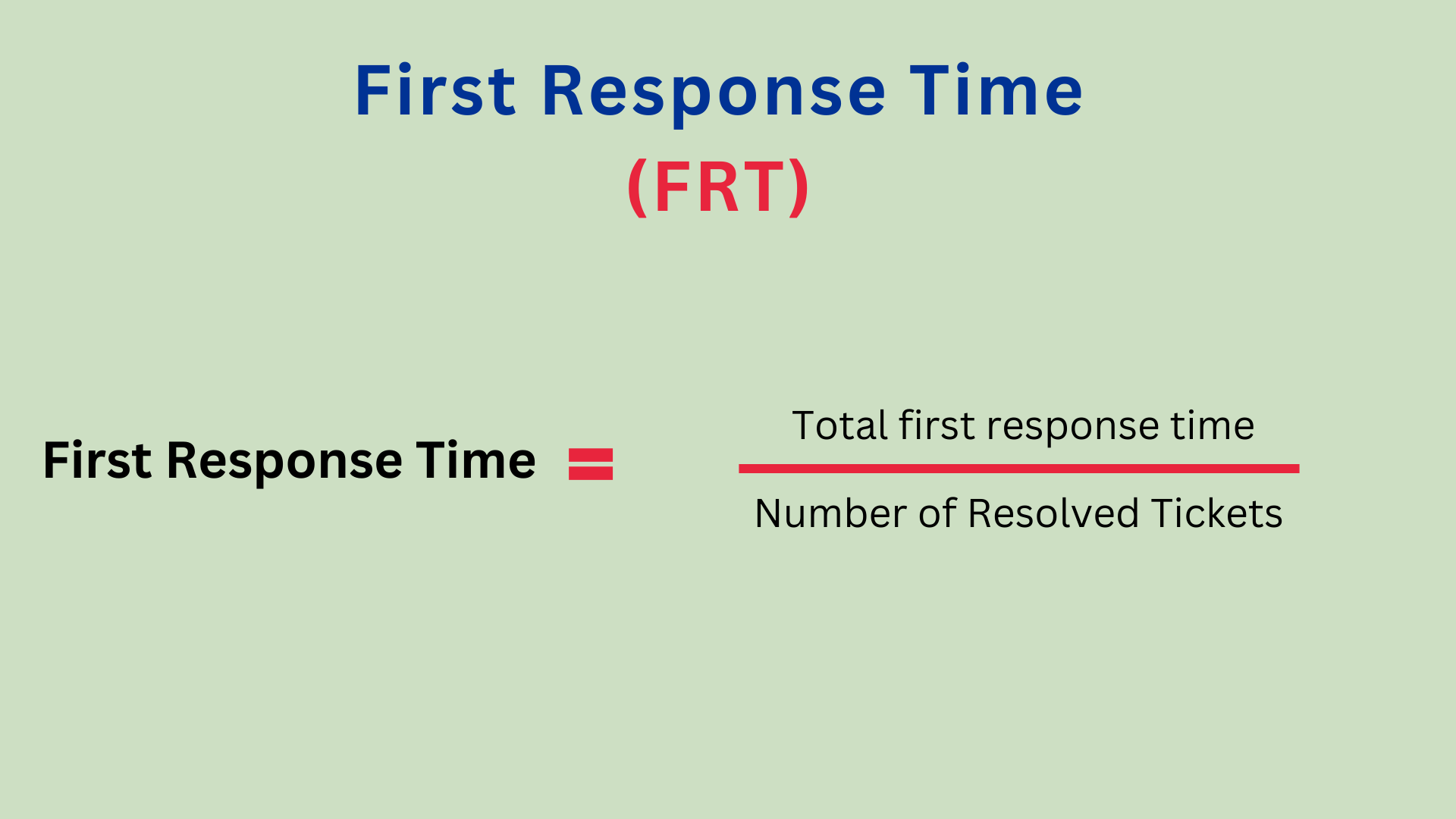
The speed at which your customer support staff responds to a client’s inquiry is known as the “First Response Time.” In an age where speed is crucial, lowering your FRT can have a big effect on client satisfaction.
For example, if a customer submits a question at 9 AM and your team responds by 9:30 AM, the FRT is 30 minutes. Keeping this number low can improve the overall customer experience.
Tip – A quick response often prevents customers from feeling frustrated, and it builds trust in your team’s ability to handle inquiries efficiently.
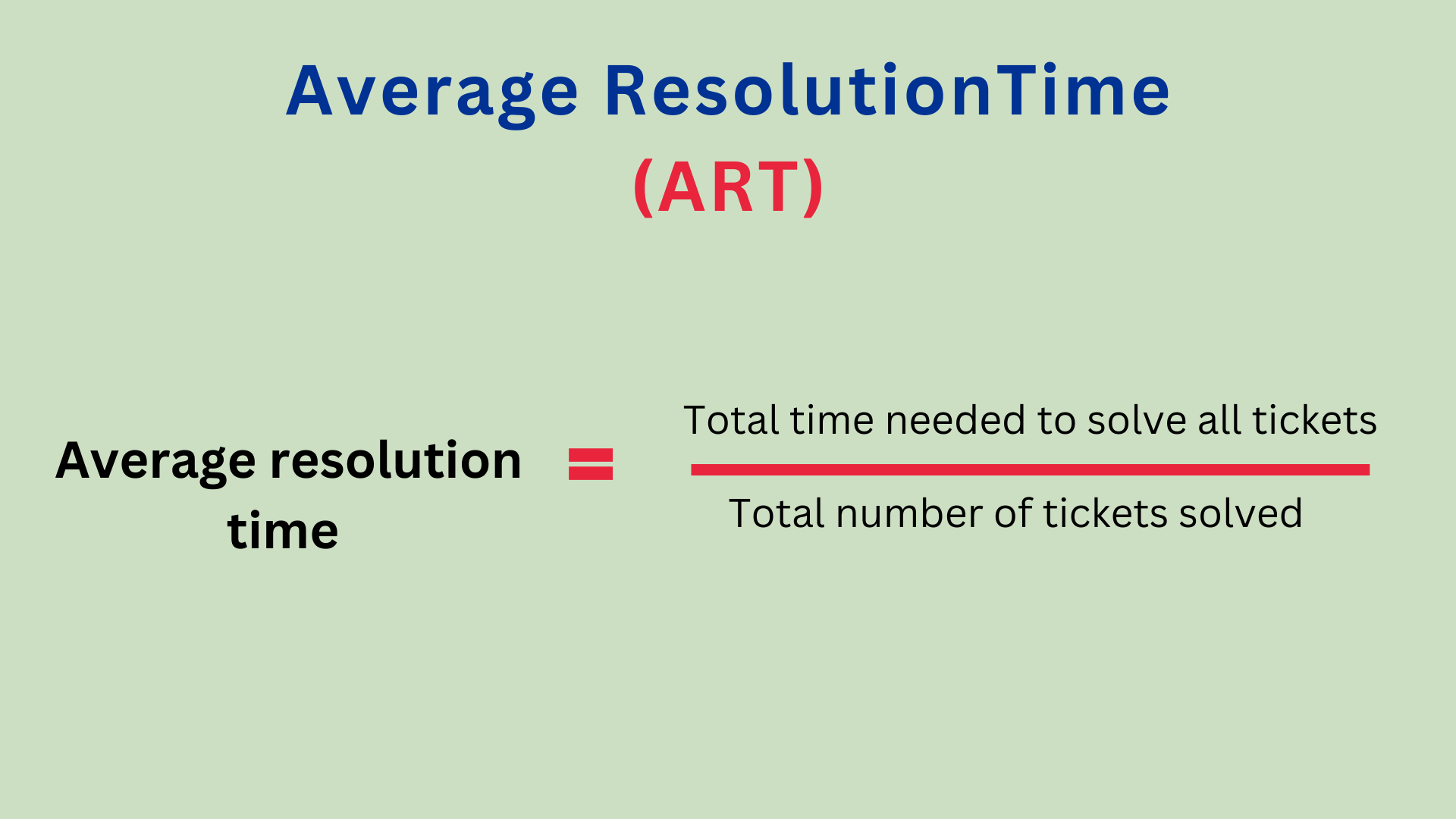
Average Resolution Time is the duration between a customer’s question submission and its complete resolution. This indicator aids in assessing how well your customer service representatives are working.
Real-Life Example: A SaaS company I worked with saw a noticeable improvement in customer satisfaction when they reduced their ART from 48 hours to 24 hours. Customers appreciated the quick resolution, resulting in a noticeable decrease in escalations.
Tip – Longer resolution times may irritate customers. In order to keep clients satisfied, try to lower ART while keeping service quality good.
CSAT is one of the most straightforward customer service metrics. After interacting with your support team, customers are asked to rate their experience on a scale, usually from 1 to 5.
This measure provides you with a brief overview of how satisfied consumers are with the assistance they received.
Tip – Monitoring CSAT on a regular basis makes it easier to spot areas that need work.
Customer loyalty and the likelihood that customers will refer your product or service to others are measured by NPS. Here you ask the question, “How likely are you to recommend our company to someone you know?” on a scale of 0–10.
Tip – A high NPS can indicate that your customers are not just satisfied but truly loyal. It’s a powerful metric for assessing long-term success.
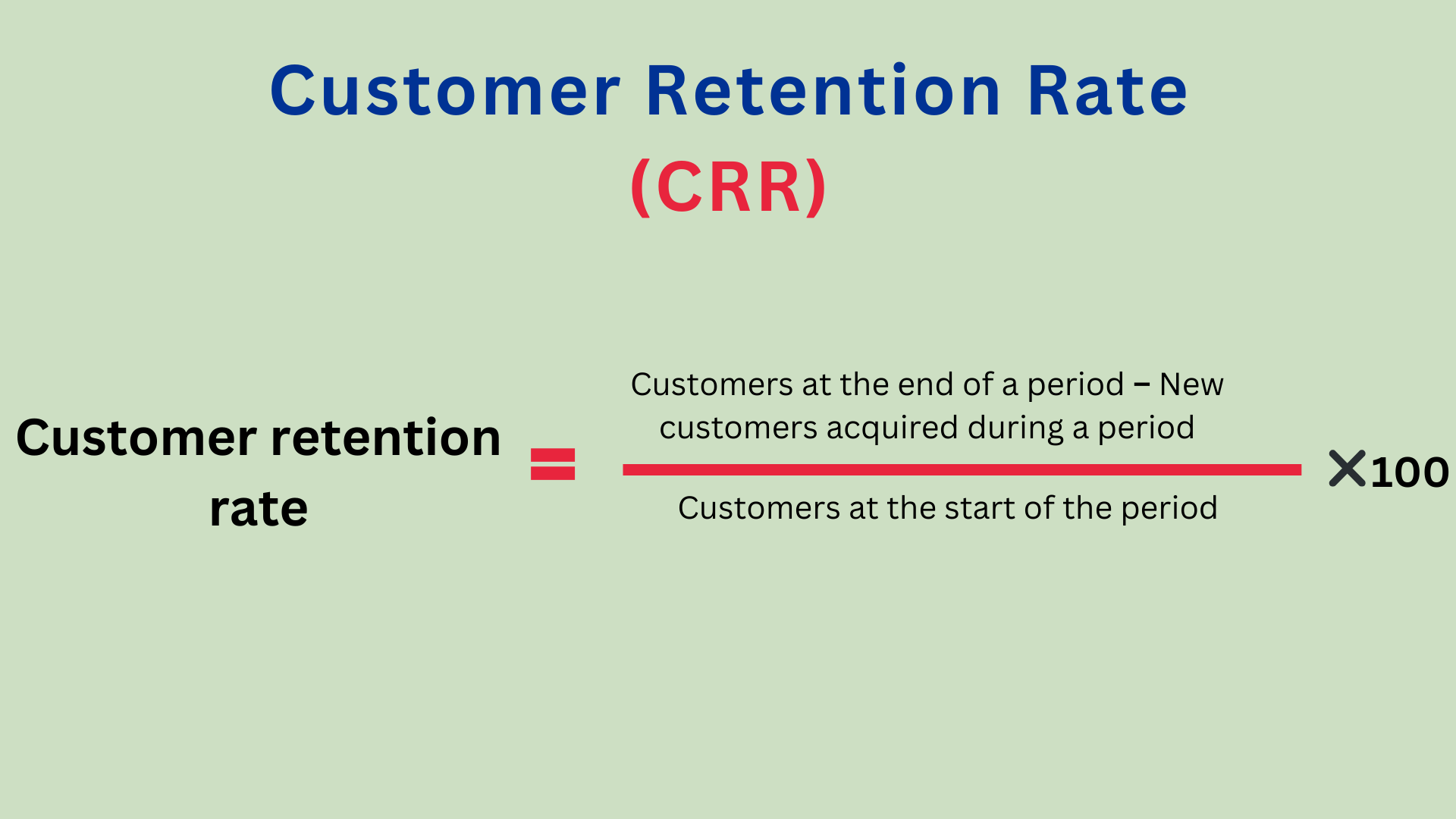
The Customer Retention Rate is a customer service metrics that measures how well your company keeps its existing customers over time. A high retention rate typically correlates with strong customer service, especially when customers feel valued and supported.
Tip – One of the most important metrics to monitor if you’re tracking customer service KPIs is this one. It is less expensive to keep current clients than to find new ones.
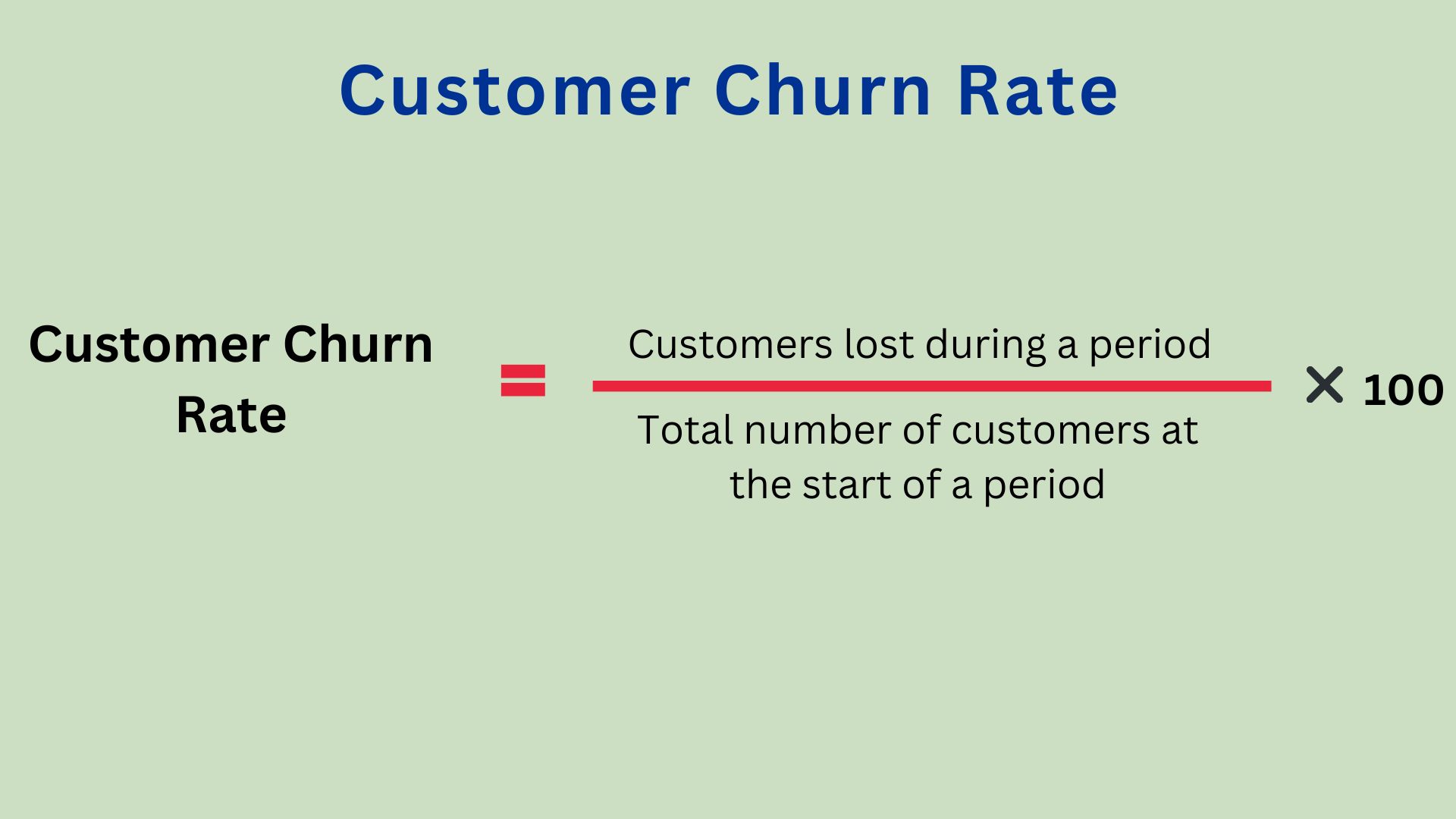
Customer Churn Rate is the opposite of retention. This customer service metrics measures how many customers leave your service within a specific period. This could be due to poor customer service, among other factors.
Tip – If your churn rate is high, it might signal that your customer service team is not meeting expectations. This is a crucial KPI for support teams to monitor.
Ticket Volume tracks how many support tickets your team handles in a given period. This metric helps determine if your team is adequately staffed and if customers are getting the help they need in a timely manner.
Tip – While volume alone doesn’t indicate success, when paired with other metrics, it can help you understand workload distribution and identify trends in customer queries.
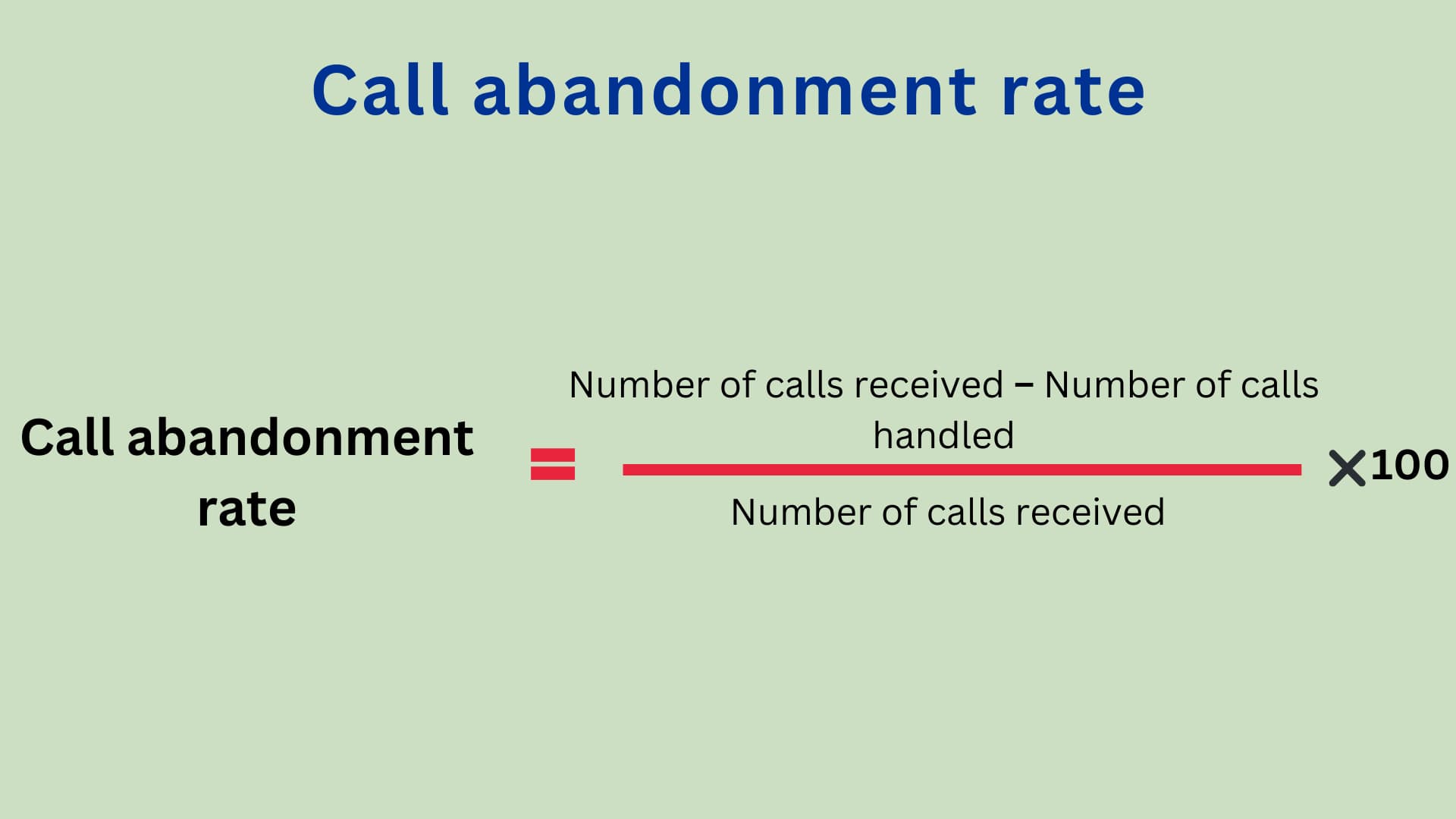
The Abandonment Rate tracks how often customers hang up or leave a chat before their issue is resolved. A high abandonment rate can indicate that customers are not getting the help they need quickly enough.
Tip – If your abandonment rate is high, it’s a sign that your support team KPIs need to be optimized. Perhaps your team isn’t answering quickly enough, or maybe there’s a long wait time that’s causing frustration.
SLAs are commitments made to customers about the timeline for responses or resolutions. SLA Compliance tracks how well your team is meeting these commitments.
Tip – Failing to meet SLAs can result in negative customer experiences and may even lead to contract cancellations in B2B contexts. This is one of the most important KPIs for a B2B enterprise SaaS marketing organization.
CES is a customer service metrics that measures how easy or hard it is for customers to get their issues resolved. A lower score means customers had to put in more effort, which could indicate a poor support experience.
Tip – Lower effort equals happier customers. Simplifying processes for customers is key to providing great service.
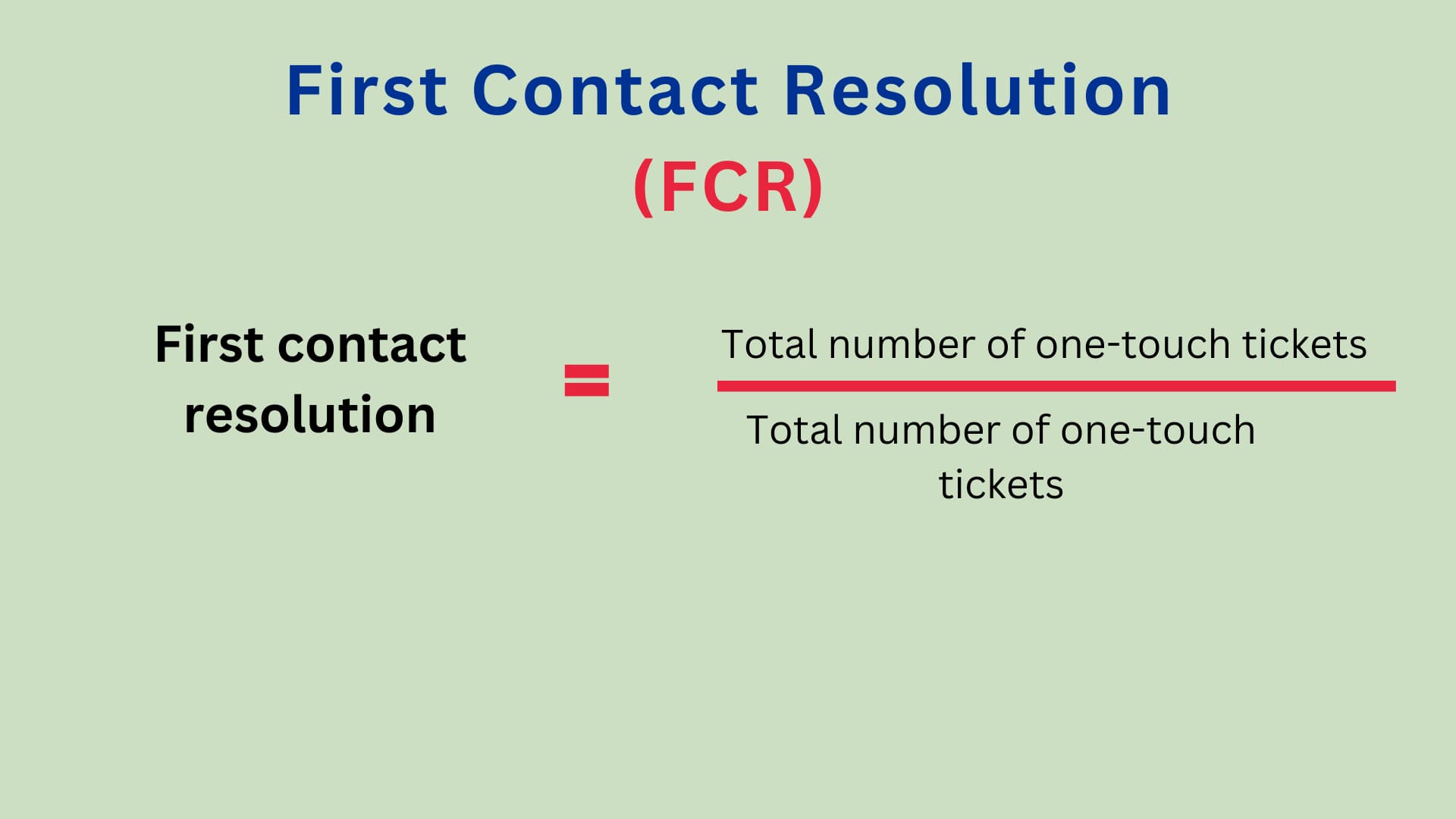
FCR monitors the percentage of customer problems that are successfully resolved on the first attempt. A high FCR shows that your team is productive and able to fix problems without having to follow up.
Tip – Improving FCR can reduce costs and improve customer satisfaction. It’s a metric worth prioritizing for any customer service KPI dashboard.
This customer service metrics measures how much it costs your company to handle a single customer interaction, whether it’s a phone call, email, or chat.
Tip – Keeping your cost per contact low while maintaining service quality is crucial for profitability. Tracking this KPI helps ensure your service remains sustainable.
AHT is the average time it takes to resolve a customer issue, including talk time and any follow-up time. It helps measure the efficiency of your team.
Tip – Long AHT can indicate inefficiencies, while shorter AHT can mean faster resolutions.
Consumers communicate with your customer service representatives via phone, email, live chat, and social media. By monitoring satisfaction across all channels, you may identify areas in which your team performs well and those that require development.
Tip – Different channels may require different skills, and customers have different expectations depending on the medium. This metric helps ensure that your team is effective across all platforms.
This customer service metrics tracks the percentage of issues that need to be escalated to a higher-level support teacustomer service metricsm or manager. A high escalation rate could indicate that your frontline team is struggling to handle complex issues.
Tip – While escalations are sometimes necessary, too many of them can create inefficiencies and delay resolution. Monitoring this KPI for support teams helps identify where training might be needed.
This measure evaluates how satisfied your customer service representatives are. It is more probable that they will deliver exceptional service if they are content and driven.
Tip – Happy employees lead to happy customers. Keeping your reps satisfied should be a key part of any customer service strategy.
This measures the overall quality of the resolution provided, often through customer feedback surveys or internal assessments. It ensures that not only are issues being resolved but that they’re resolved correctly.
Tip – Low-quality resolutions can lead to repeat contacts, which is costly and frustrating for both the customer and your team.
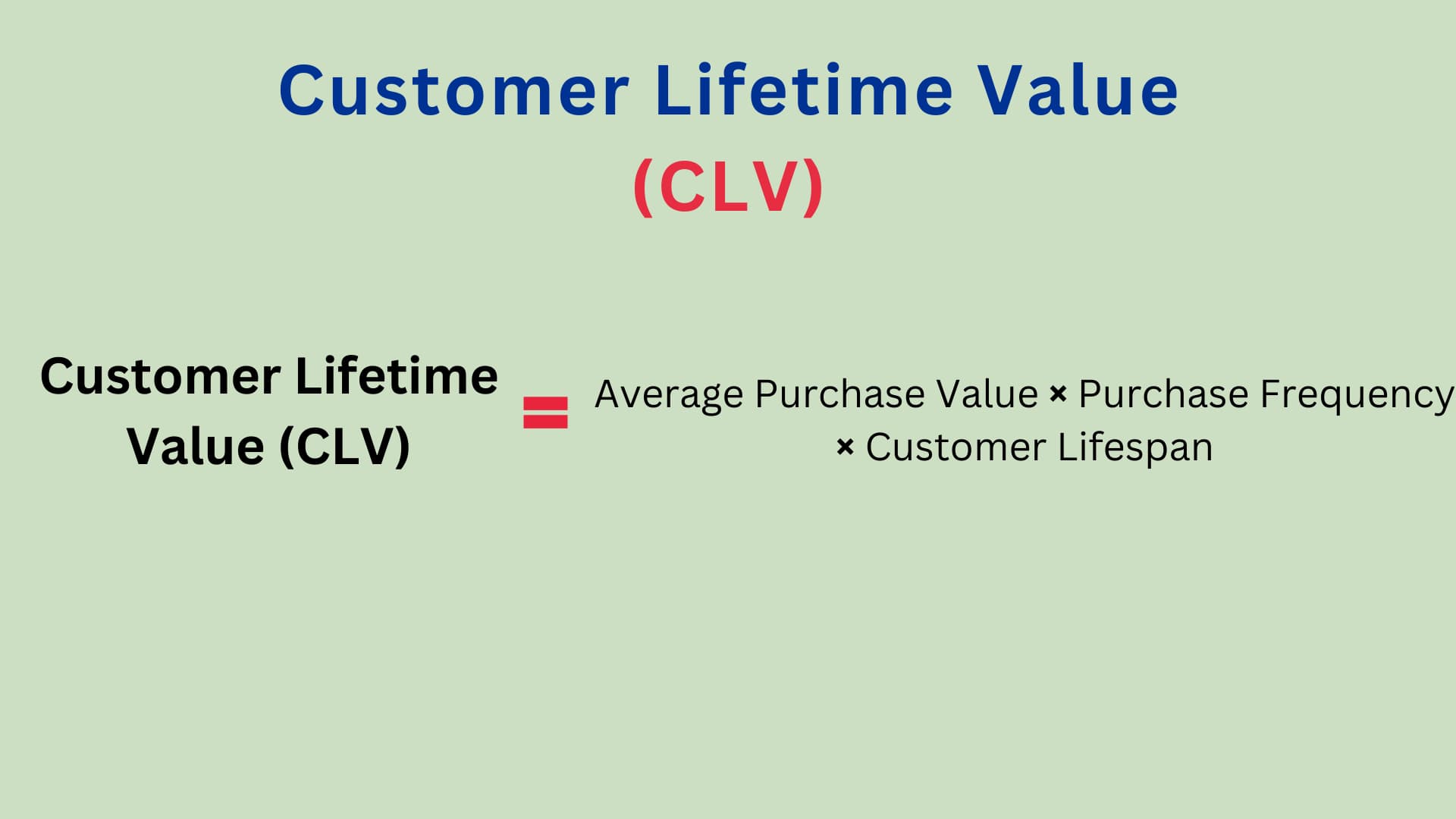
Customer Lifetime Value tracks the total value a customer brings over their entire relationship with your company. It’s an essential metric for understanding how customer service impacts long-term profitability.
Tip – If your customer service is top-notch, it can increase customer retention and boost CLV, which directly impacts your bottom line.
Monitoring customer feedback, reviews, and surveys is a direct way to gauge how your service is perceived by customers. It’s often unfiltered and provides real-world insights into your team’s performance.
Tip – Customer reviews are one of the most honest and helpful sources of information to improve service quality.
With more customers seeking self-service options, tracking how often they use knowledge bases, FAQs, or automated systems can provide valuable insight into the effectiveness of these resources.
Tip – Self-service can help reduce the load on your support team, and customers appreciate finding answers quickly.
This tracks how much of your support team’s time is spent actually assisting customers compared to time spent on breaks, meetings, or administrative tasks.
Tip – Maximizing agent utilization without burning out your team is key to maintaining high service levels.
Tracking the right customer service metrics is essential for any business aiming to provide exceptional support. These metrics not only allow you to measure your team’s performance but also help you improve customer satisfaction and retention.
Whether you’re working with B2B sales KPIs, customer service KPIs, or KPIs for support teams, it’s crucial to keep a close eye on your customer service metrics and take
Customer service metrics are measurable data points used to evaluate and improve the performance of a support team.
They provide insights into team efficiency, customer satisfaction, and areas needing improvement to deliver exceptional support experiences.
Metrics track specific performance aspects, while KPIs focus on strategic goals aligned with business objectives.
Focus on metrics like First Response Time (FRT), Customer Satisfaction Score (CSAT), and Net Promoter Score (NPS).
Strong metrics reflect efficient service, which boosts customer satisfaction, leading to higher retention rates.
Customer service platforms like Zendesk, HubSpot, or Freshdesk provide tools for tracking essential metrics and KPIs.

100% Lead Capture, 75% More Efficiency, 2X Engagement!
Book a free demo and see how you can close more deals, faster!


95% business who use NeoDove report 3x more profits!
Happy Customers
107k reviews


Book a free demo and see how you can close more deals, faster!

![]()
95% business who use NeoDove report 3x more profits!
Happy Customers
107k reviews

These outcomes and beyond can be yours.
Lead Leakage
Increase in call attempts
More Engagement