


















Valid till
Hrs
Mins
Secs
Valid till
Hrs
Mins
Secs

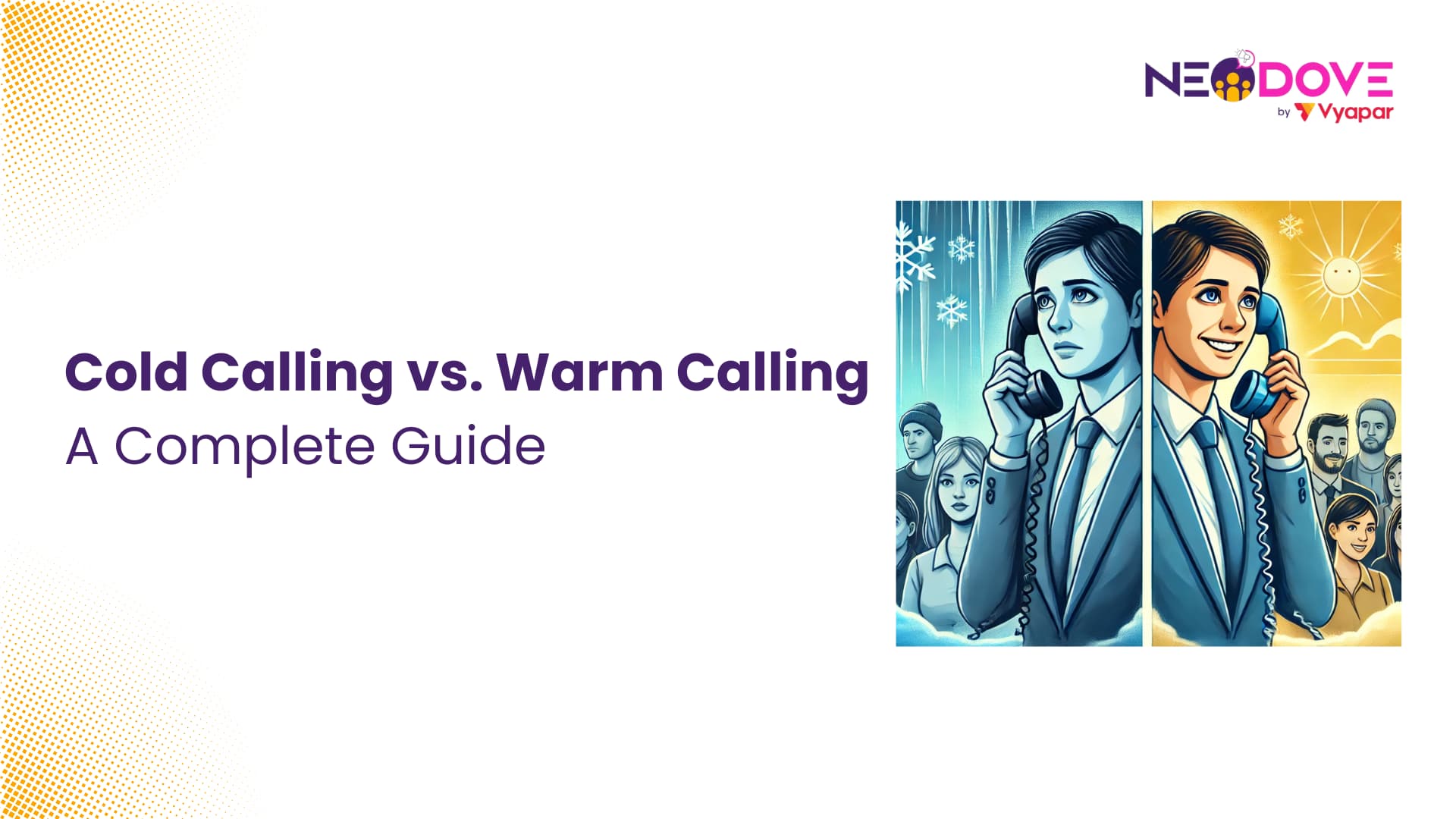
Cold Calling vs. Warm Calling: A Complete Guide

Key Takeaways

  • Cold calling refers to reaching out to prospects who haven’t had prior interaction with your business. 
  • Warm calling involves reaching out to prospects who have had some level of interaction with your company. 
  • Researching your prospect, personalizing your approach, and following up consistently are key ways to improve telecalling success.

In the world of sales, reaching out to potential customers is crucial, but how you do it can make all the difference.

Whether you’re using cold calling or warm calling, understanding the key differences between these two approaches will help you improve your outreach efforts.

But what exactly are cold calls and warm calls, and how do they impact your sales strategy?

In this guide, we’ll break down the essentials of cold calling vs. warm calling, helping you determine which method works best for your business.

What is Cold Calling?

Cold calling refers to reaching out to prospects who haven’t had prior interaction with your business. This means you’re contacting someone who may not know your company, your product, or even that they need your service. 

Essentially, the prospect is “cold” because they haven’t shown any prior interest.

So, what does cold calling mean in sales? It’s the process of initiating contact with a potential customer, often over the phone, to introduce them to your product or service.

Benefits of Cold Calling

  • Large reach: You can contact a broader audience, which might lead to discovering new opportunities.
  • Immediate feedback: Direct interaction with potential customers gives you insights into their needs and challenges.
  • Sales pipeline growth: Cold calls can help grow your sales pipeline by introducing new leads.

Challenges of Cold Calling

  • High rejection rate: Many people hang up or refuse to engage with unsolicited calls.
  • Time-consuming: You may spend significant time contacting uninterested prospects.
  • Lower conversion rates: Since prospects have no prior connection, the success rate is often lower.

What is Warm Calling?

Unlike cold calls, warm calling involves reaching out to prospects who have had some level of interaction with your company. Maybe they downloaded an ebook, attended a webinar, or previously expressed interest in your services. This means they’re “warmer” because they’re already aware of your brand or offerings.

So, what is warm calling exactly? It’s when you call someone who has shown some level of interest in your product or service, making them more likely to engage with you.

Benefits of Warm Calling

  • Higher engagement: Because prospects are familiar with your company, they’re more likely to listen to what you have to offer.
  • Increased trust: A prior relationship, even if small, can build trust and make the conversation smoother.
  • Better conversion rates: Since these leads are warmer, warm calling often results in higher conversion rates compared to cold calling.

Challenges of Warm Calling

  • Smaller pool of prospects: The number of warm leads is generally smaller than cold leads, which can limit your outreach.
  • Requires lead nurturing: Before reaching out, you may need to spend time warming up prospects, which requires marketing effort and resources.

Cold Calling vs. Warm Calling: Key Differences

Now that we understand the basics of cold calling and warm calling, let’s compare the two approaches and see how they stack up.

1. Lead Source

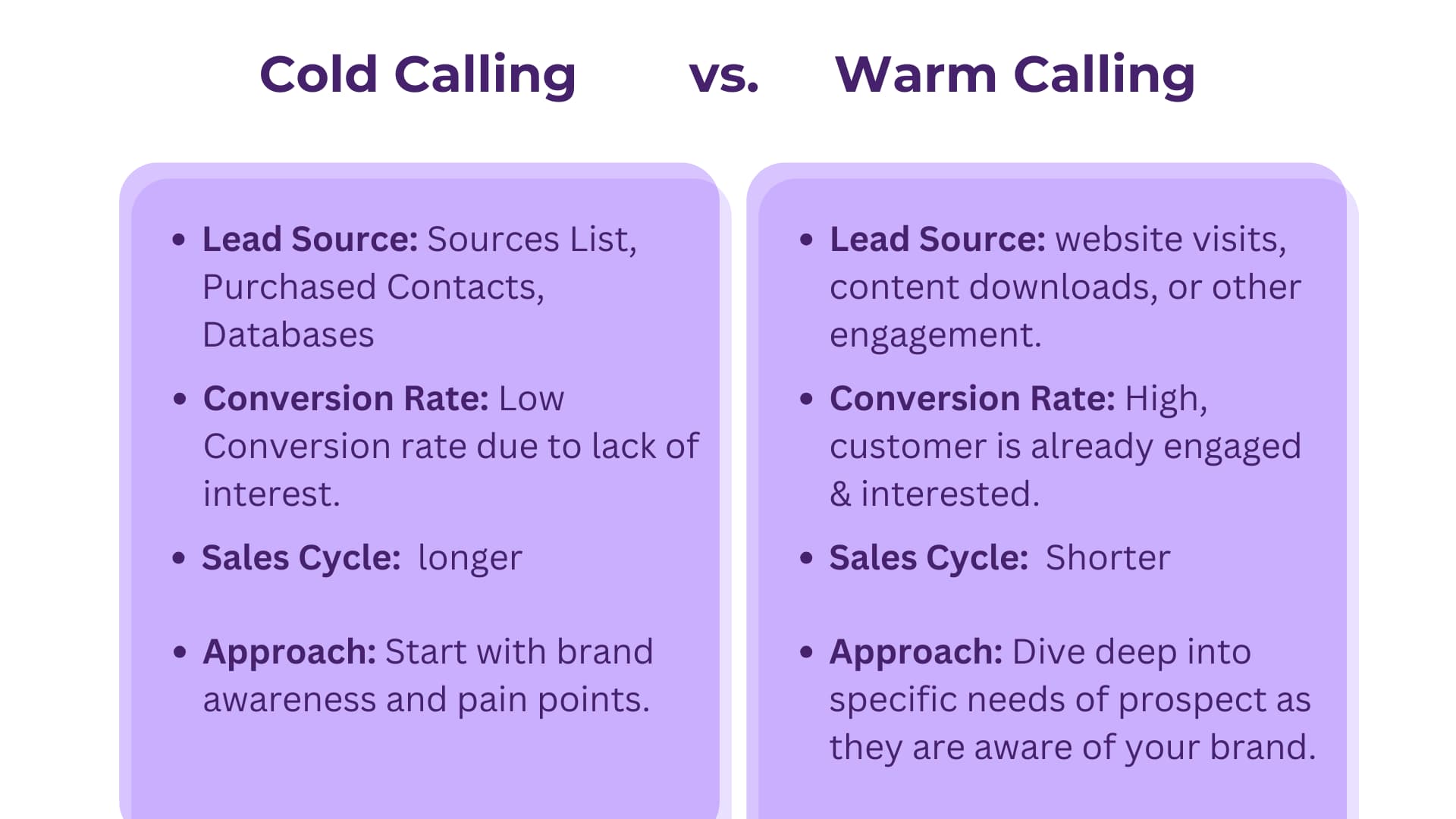
  • Cold Calling: Leads are often sourced from lists, databases, or purchased contacts. These people haven’t shown prior interest.
  • Warm Calling: Leads come from individuals who have interacted with your brand, whether through website visits, content downloads, or other engagement.

2. Conversion Rate

  • Cold Calling Conversion Rate: The conversion rate for cold calls is generally lower due to a lack of familiarity and interest from the prospect.
  • Warm Calling Conversion Rate: Warm calls tend to have higher conversion rates because the prospect is already somewhat engaged with your business.

3. Conversation Approach

  • Cold Calling: Calls need to start with an introduction to both your company and the problem your product solves. You’re building rapport from scratch.
  • Warm Calling: These calls can dive into specific needs since the prospect already knows your brand and has shown interest.

4. Best Time to Call

  • Best Time to Cold Call: Research shows that the best time to cold call is typically between 10 a.m. and 11 a.m. and between 2 p.m. and 3 p.m., when people are more likely to engage with new contacts.
  • Best Time for Warm Calling: Since these prospects have already interacted with your brand, calling during any follow-up phase, especially after a specific touchpoint (e.g., after downloading an ebook), can increase success.

5. Sales Cycle

  • Cold Calling: The sales cycle for cold calling tends to be longer because it takes time to build trust and move the prospect through the funnel.
  • Warm Calling: The sales cycle for warm calling is generally shorter since the prospect is already familiar with your company.

When to Use Cold Calling vs. Warm Calling

Both cold and warm calling have their place in a sales strategy. Knowing when to use each can make a significant difference in your success.

When to Use Cold Calling

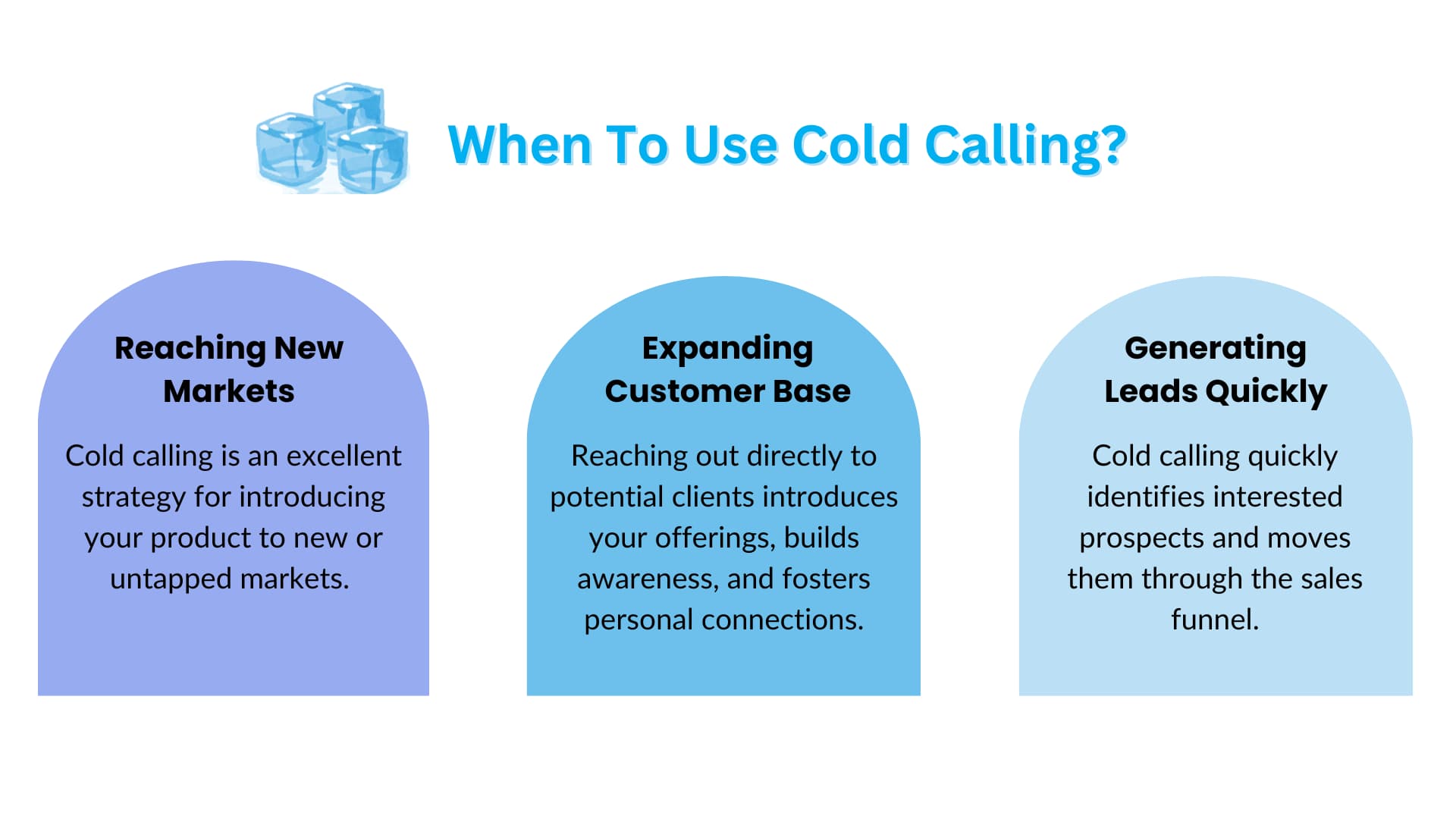
1) Reaching New Markets

Cold calling is an excellent strategy for introducing your product to new or untapped markets. 

It allows you to connect with potential customers who may not be familiar with your brand, giving you a chance to create awareness and spark interest. 

By reaching out directly, you can gauge market potential and identify new business opportunities

Tip – Prepare a clear and compelling value proposition for prospects unfamiliar with your brand.

2) Expanding Customer Base

Cold calling is a powerful strategy for expanding your customer base. 

By reaching out directly to potential clients, you can introduce your products or services, build awareness, and establish personal connections. 

This proactive approach allows you to engage new prospects, generate leads, and drive business growth effectively.

Tip – Target specific industries or demographics to improve response rates.

3) Generating Leads Quickly

Cold calling is a highly effective method when you need to fill your sales pipeline with new leads quickly. 

Since it involves direct contact, it speeds up the process of identifying interested prospects and moving them through the sales funnel. 

Whether you’re launching a new product or driving a lead generation campaign, cold calling provides immediate feedback and results.

Tip – Use a well-researched script to engage prospects and pique their interest in the first few seconds.

Trusted by 40,000+ Users
Struggling to manage your leads? 🤔
Put an end to old-fashioned lead management and get started with smarter lead management today!
Blog - CTA l Request Demo l April 2024

When to Use Warm Calling

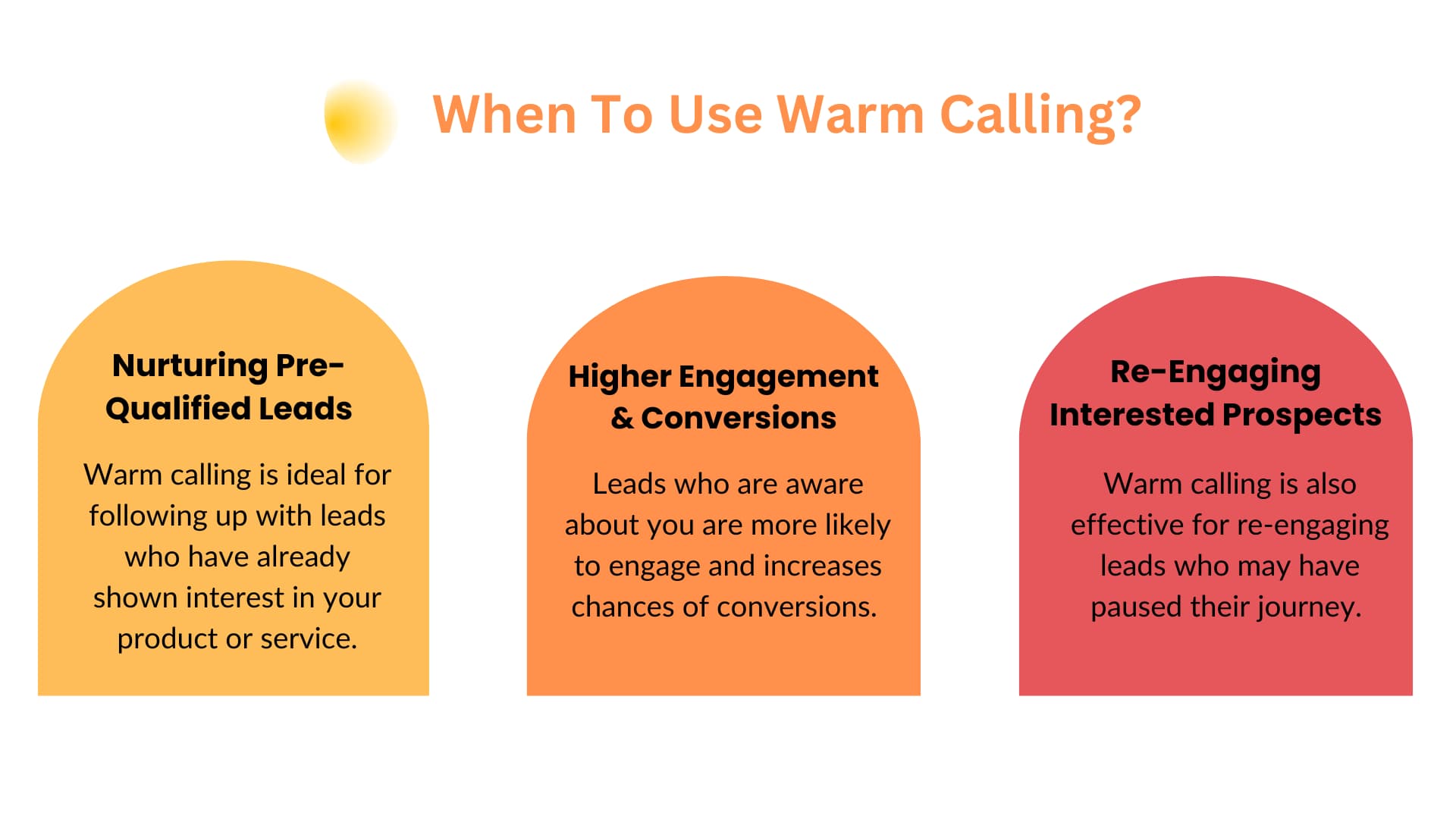
1) Nurturing Pre-Qualified Leads

Warm calling is ideal for following up with leads who have already shown interest in your product or service.

These leads are pre-qualified, meaning they’ve either interacted with your brand or expressed some intent to learn more. 

By reaching out, you can nurture their interest and guide them further along the sales funnel.

Tip – Reference the lead’s prior interaction with your brand to create a more personalized conversation.

2) Higher Engagement and Conversions

With warm calling, prospects are already somewhat familiar with your brand, making them more open to engagement. 

This familiarity often leads to higher conversion rates, as the conversation is more relevant to their needs.

Tip – Focus on addressing specific needs or questions the lead may have based on their previous interactions.

3) Re-Engaging Interested Prospects

Warm calling is also effective for re-engaging leads who may have paused their journey. 

These prospects are still viable, and reaching out at the right time can reignite their interest and push them toward a purchase. 

Tip – Offer a special incentive or personalized solution to re-capture their interest..

How to Improve Your Cold and Warm Calls?

Whether you’re doing cold calling or warm calling, there are certain techniques that can help boost your success rate:

1) Do Your Research

Even for cold calls, having background information on the company or individual you’re contacting can help you tailor your message and increase engagement. 

2) Personalize the Conversation

For warm calls, refer to the prospect’s prior engagement with your brand. Mention the specific action they took, such as downloading an ebook, to make the conversation relevant.

3) Be Concise and Respect Time

In both cold calling and warm calling, keep your message concise. Prospects appreciate brevity, especially if they’re busy.

4) Follow Up

Don’t be discouraged by an initial “no.” For both cold calls and warm calls, following up is crucial. Often, the key to success is persistence.

Take your telecalling team to the next level
Empower your telecallers with NeoDove, download our handy guide today!

    Blog - CTA l Telecalling Team l May 2024

    Conclusion

    Both cold calling and warm calling are valuable strategies in sales. Each has its strengths, with cold calling being ideal for reaching new markets and warm calling excelling in nurturing leads who already know your brand. 

    The key is understanding when to use each approach to maximize your sales efforts and using smarter tools. By combining these strategies, you can grow your pipeline, boost engagement, and ultimately increase sales.

    Frequently Asked Questions (FAQs)

    Cold calling in sales refers to reaching out to potential customers who haven’t had any prior interaction with your business, often to introduce them to your product or service.

    Warm calling is when you contact prospects who have already shown some level of interest in your company, making them more receptive to your message.

    The best time to cold call is typically mid-morning or mid-afternoon, as prospects are more likely to engage during these hours.

    The best time to cold call is typically mid-morning or mid-afternoon, as prospects are more likely to engage during these hours.

    Cold calling generally has a lower conversion rate compared to warm calling because prospects are less familiar with your company or product.

    Researching your prospect, personalizing your approach, and following up consistently are key ways to improve cold calling success. 

    Warm calling typically results in higher engagement and conversion rates because prospects are already familiar with your company and have shown interest in what you offer.

    Ready to Transform Your Telecalling Operations?

    Request Demo l Case Study Page Form l December 2024

    By submitting this form, I give my consent to receive message/email/whatsapp and updates to my number or email address

    Tired of Wasting Time Dialing?

    Boost your telecalling efficiency with NeoDove’s Autodialer. Act now and discover what you’re missing out on!
    Request Demo l Exit Intent Pop Up Elementor l October 2024

    By submitting this form, I give my consent to receive message/email/whatsapp/calls and updates to my number or email address

    Call Smarter,
    Close Faster!

    100% Lead Capture, 75% More Efficiency, 2X Engagement!

    Call Smarter, Close Faster! Form

    By submitting this form, I give my consent to receive message/email/whatsapp and updates to my number or email address

    Still using Excel sheets Switch to NeoDove

    95% business who use NeoDove report 3x more profits!

    50,000 +

    Happy Customers

    4.8

    107k reviews

    Request Demo l new popup still l june 2024

    By submitting this form, I give my consent to receive message/email/whatsapp/calls and updates to my number or email address

    Are you Still using Excel sheets for Manual Telecalling?

    These outcomes and beyond can be yours.

    0%

    Lead Leakage

    200%

    Increase in call attempts

    3x

    More Engagement
      Request Demo

      By submitting this form, I give my consent to receive message/email/whatsapp and updates to my number or email address