

























Join our WhatsApp Channel for the latest updates.
Table of Contents
ToggleKey Takeaways
Ever thought AI would take on the role of a real estate agent’s assistant?
Imagine AI narrowing down leads, predicting client preferences, or even optimizing property listings—all without the need for coffee breaks!
With AI in real estate growing rapidly, agents and agencies alike are jumping on board, leveraging real estate AI to tackle the industry’s ever-evolving challenges.
In this blog, we will dive in deep about the role of AI in real estate, Benefits, Technologies, and Uses, so keep reading till the end.
AI in real estate isn’t just a trend—it’s a revolution. This smart tech is helping agents and agencies streamline their operations. From managing properties to forecasting prices, AI is taking over the repetitive tasks, leaving agents more time to focus on closing deals.
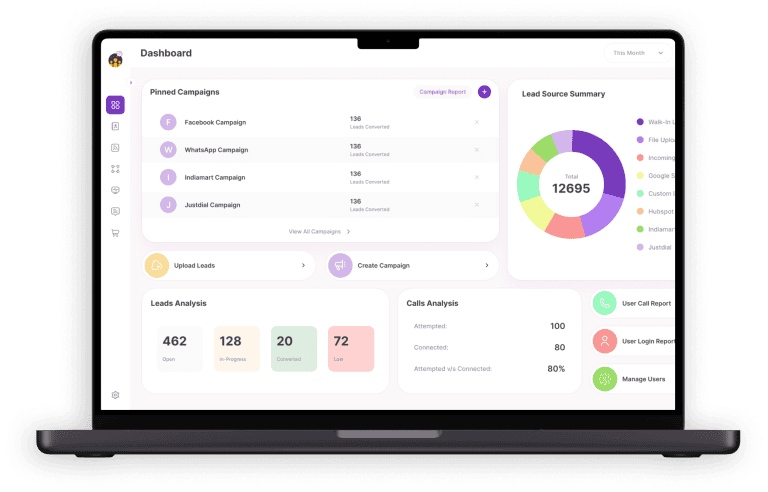
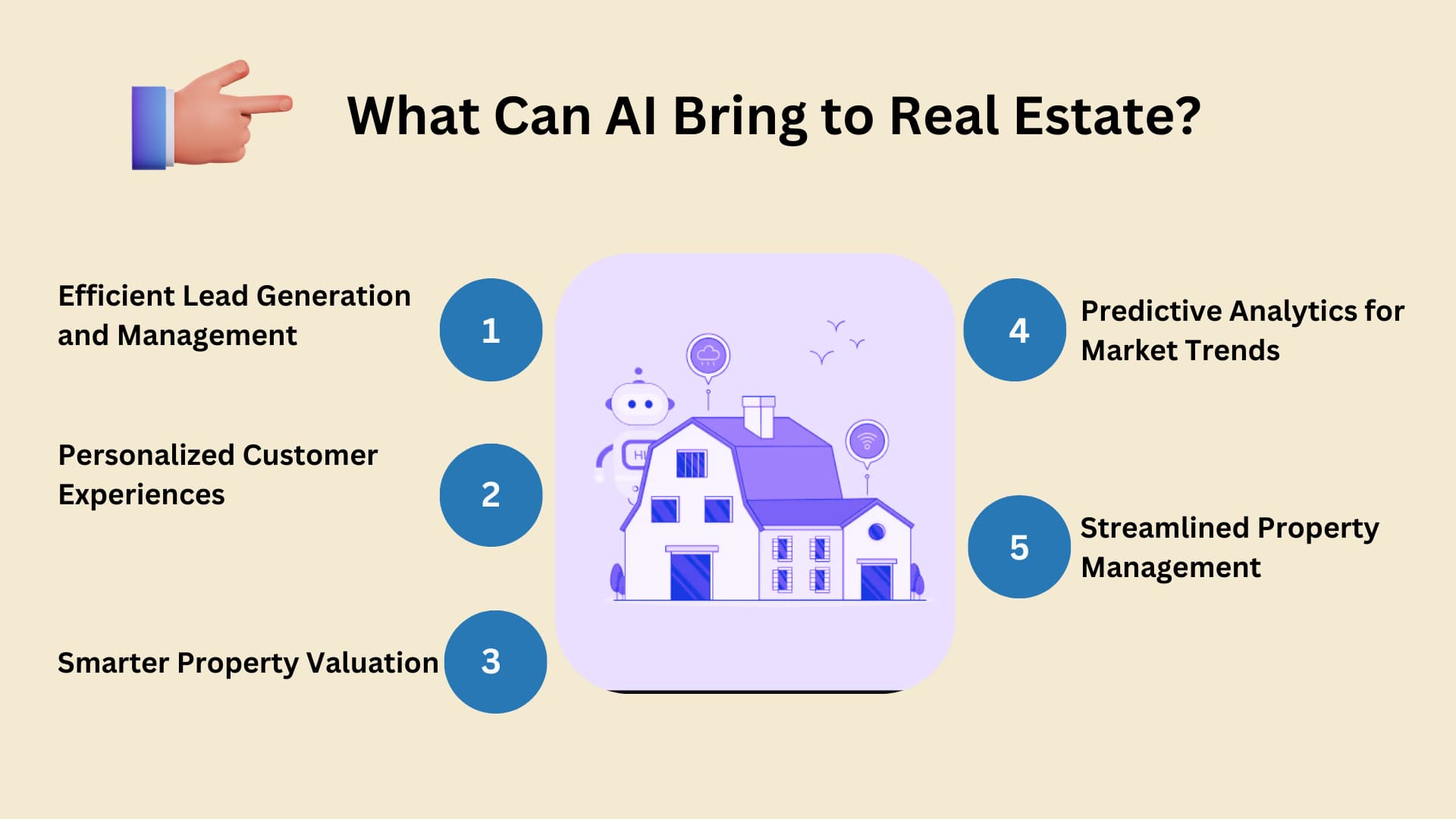
Gone are the days of chasing down cold leads that just weren’t interested! AI for real estate leads lets you qualify, sort, and nurture potential buyers like a pro. By scoring each lead based on past behavior and interactions, AI ensures you’re spending time where it matters most.
Tip – By automating lead generation, you’ll have more time to build relationships with serious buyers who are ready to move forward.
AI in real estate management makes it possible to tailor experiences for each client. Imagine knowing a client’s preferences for property type, price range, and even neighborhood vibe—all before they step into your office! AI processes huge amounts of data to anticipate what clients want, helping agents stay one step ahead.
Tip – Make each interaction meaningful by using AI tools to send personalized listings and follow-up messages that show you know exactly what clients want.
Pricing a property can be tricky. Set it too high, and you risk missing out on potential buyers; too low, and you leave money on the table. AI real estate software analyzes market trends, historical data, and neighborhood sales to give you an accurate, data-backed valuation.
Tip – Use AI-driven pricing insights to hit the sweet spot in your market and attract buyers without leaving money on the table.
Real estate AI isn’t just about the here and now; it’s about looking ahead. AI can predict which areas might become hot markets and when property values are expected to change. Think of it as your crystal ball, minus the guesswork.
Tip – With predictive insights, you can identify up-and-coming neighborhoods and advise clients like a true market expert.
AI isn’t just for buying and selling—it also makes managing properties a breeze. By monitoring occupancy, maintenance, and tenant feedback, AI in real estate management keeps everything running smoothly. You’ll always be a step ahead with tenant needs and property issues.
Tip – Use real estate AI to stay organized and efficient, letting you handle more properties with less hassle.
From chatbots to virtual tour creators, AI tools are revolutionizing the industry. Some key technologies include:
Imagine a friendly assistant who’s always ready to answer questions, even at 3 a.m. That’s a chatbot for you! Real estate chatbots provide instant responses, handling basic inquiries and even helping clients book viewings—all while you’re catching some sleep.
Tip – Use chatbots to answer basic questions, so your agents can focus on hot leads.
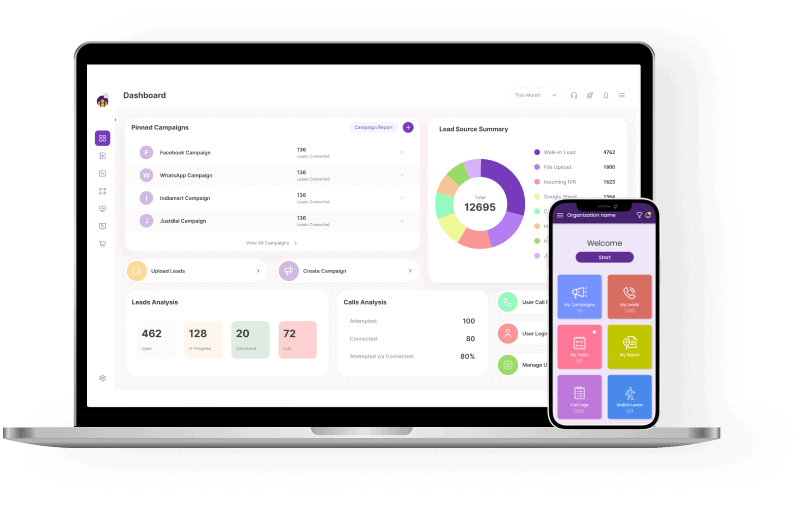
Machine learning is a powerful tool that takes client data and analyzes it to score leads. Instead of chasing every lead that shows mild interest, agents can now focus on high-value clients with a real interest in buying.
Tip – Automate your lead management with AI for smarter, faster follow-up strategies.
Sometimes, seeing is believing, and with computer vision technology, potential buyers can take virtual tours of properties from the comfort of their couch. This feature is especially useful for clients relocating from another city or those who want to narrow down choices before an in-person tour.
Tip – This AI in real estate software feature saves time for clients and increases your property’s reach.
Predictive analysis in real estate AI gives agents insights into future property values, helping them advise clients on buying or selling at the right time. By identifying patterns and trends, predictive tools provide a competitive edge in the market.
Tip – Gain a competitive edge by leveraging AI tools for real estate market predictions.
Natural Language Processing (NLP) is transforming client interactions by analyzing conversations, emails, and feedback.
This allows agents to understand clients’ unique preferences, such as location, style, or amenities, enabling more tailored property recommendations. With NLP, real estate professionals can respond faster and more precisely to client needs.
Tip – Regularly review NLP-generated insights to stay updated on clients’ changing preferences for better rapport and targeted offerings.
Predictive analytics uses historical data, current market trends, and economic indicators to help agents set competitive property prices.
By identifying demand patterns and forecasting price movements, this AI tool aids in pricing properties accurately and competitively, giving agents a strategic advantage in negotiations.
Tip – Combine predictive pricing insights with local market knowledge to make well-rounded pricing decisions that resonate with buyers.
A “digital twin” creates a virtual replica of a property, reflecting changes in real time. This technology allows property managers and agents to simulate renovations, maintenance needs, or layout adjustments, helping clients visualize potential upgrades or improvements before making decisions. It’s like having a test-drive option for properties.
Tip – Use digital twins during virtual tours or open houses to showcase renovation ideas, enhancing clients’ buying experience and engagement.
AR technology allows clients to visualize properties with different furniture or decor styles, customizing each space virtually to match their tastes. By overlaying digital furnishings onto real property images, AR helps clients feel more connected to the space, imagining it as their future home.
Tip – Leverage AR to highlight versatile spaces, helping clients picture how various layouts and furniture arrangements could meet their lifestyle needs.
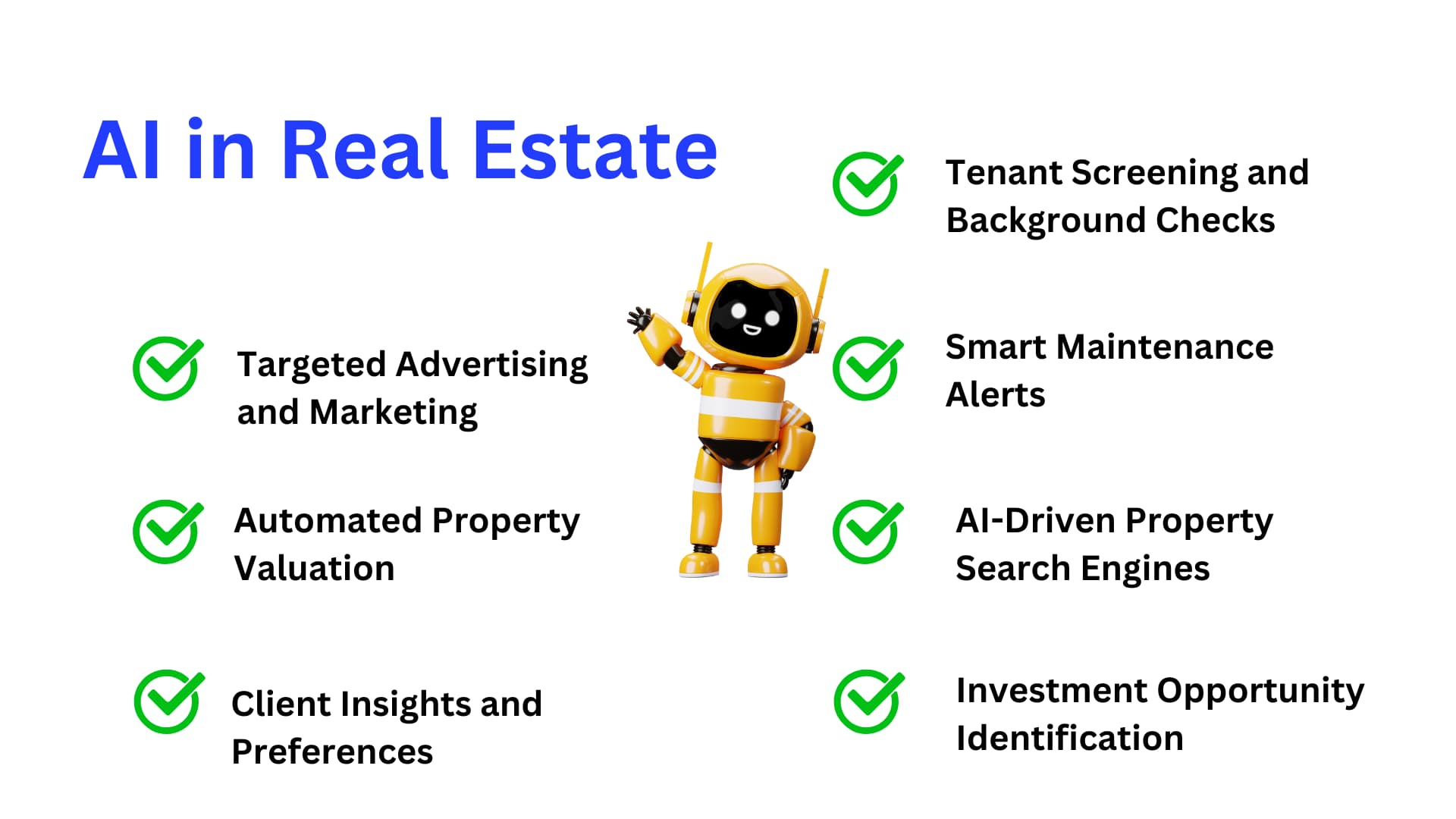
AI can craft targeted ads based on client preferences, browsing habits, and previous interactions. Imagine knowing exactly who might be interested in that two-bedroom condo with a city view—and advertising directly to them. It’s like matchmaking but for real estate!
Tip – Use AI-driven ads to attract clients who are actively looking for the type of properties you offer.
With AI in real estate, you can generate property valuations based on real-time data, allowing you to stay competitive and attract buyers who know they’re getting a fair price. This feature is especially useful for agents managing multiple listings in different neighborhoods.
Tip – Let AI handle valuations to save time and avoid pricing missteps that could cost you potential buyers.
Imagine knowing a client’s ideal neighborhood, price range, and must-have features before even meeting them. AI in real estate uses data to build a profile for each client, helping you suggest properties they’re likely to love.
Tip – Show clients you understand their needs by presenting properties tailored to their preferences.
AI-driven tenant screening tools automate background checks, reviewing credit history, employment status, rental records, and criminal background.
This swift and accurate process saves landlords time, while helping agents make informed tenant choices. It minimizes risks, ensuring reliable tenants and smoother leasing experiences.
Tip – Use AI tools to screen potential tenants early, avoiding time-consuming manual checks and enhancing overall tenant quality.
AI can analyze historical maintenance data and real-time property conditions to predict future issues, alerting landlords and property managers before costly repairs are necessary.
By detecting early signs of wear or malfunction, AI-based maintenance alerts can prevent unexpected breakdowns, extending the life of property assets.
Tip – Regularly review AI maintenance alerts to schedule timely inspections, keeping properties in top shape and tenant satisfaction high.
AI-powered property search engines allow clients to filter options with incredible specificity—whether by neighborhood, square footage, style, or amenities. This efficiency shortens search times and helps clients quickly find properties matching their exact needs, leading to a more satisfying experience for both buyers and agents.
Tip – Offer clients a demo of advanced AI search features so they can refine their searches, boosting their satisfaction and your chances of closing deals.
AI algorithms scan the market to identify properties with high investment potential by analyzing factors like location trends, property appreciation, and rental income forecasts. This enables agents to offer clients strategic investment advice backed by data, catering to buyers seeking strong ROI.
Tip – Stay updated with AI-generated investment opportunities to proactively suggest valuable listings, strengthening your position as a knowledgeable advisor.
AI systems rely on vast data, which means data security should be a top priority. Protect your clients’ data by choosing AI solutions that prioritize encryption and privacy.
While some AI tools can be pricey upfront, the time and effort they save in the long run often justify the cost. Consider it an investment that will pay off as you close more deals with less manual effort.
Not all clients will be comfortable with AI-driven services. For some, an in-person touch is still essential. Strike a balance between tech solutions and personal interactions.
For AI tools to be effective, agents need proper training. Make sure your team knows how to use AI solutions to provide better service rather than relying on the software alone.
AI in real estate isn’t just about replacing tasks; it’s about empowering agents and brokers to work smarter, not harder.
By leveraging AI real estate software, real estate agents can streamline processes, offer better client experiences, and stay ahead in a competitive market.
Ready to bring AI into your real estate business? The future is here, and it’s time to meet your new AI assistant!
AI transforms real estate by improving lead generation, streamlining management, and enhancing customer experience.
Common tools include chatbots, lead-scoring software, predictive analysis tools, and virtual tour software.
AI real estate software analyzes data to provide accurate and market-based property valuations.
Yes, AI for real estate leads allows agents to filter, score, and follow up with the most promising prospects.
The main concerns include data privacy, initial costs, and the need for tech adaptation within teams.
Yes, AI can be customized to fit different budgets and needs, offering benefits even to small agencies.

100% Lead Capture, 75% More Efficiency, 2X Engagement!
Book a free demo and see how you can close more deals, faster!


95% business who use NeoDove report 3x more profits!
Happy Customers
107k reviews


Book a free demo and see how you can close more deals, faster!

![]()
95% business who use NeoDove report 3x more profits!
Happy Customers
107k reviews

These outcomes and beyond can be yours.
Lead Leakage
Increase in call attempts
More Engagement